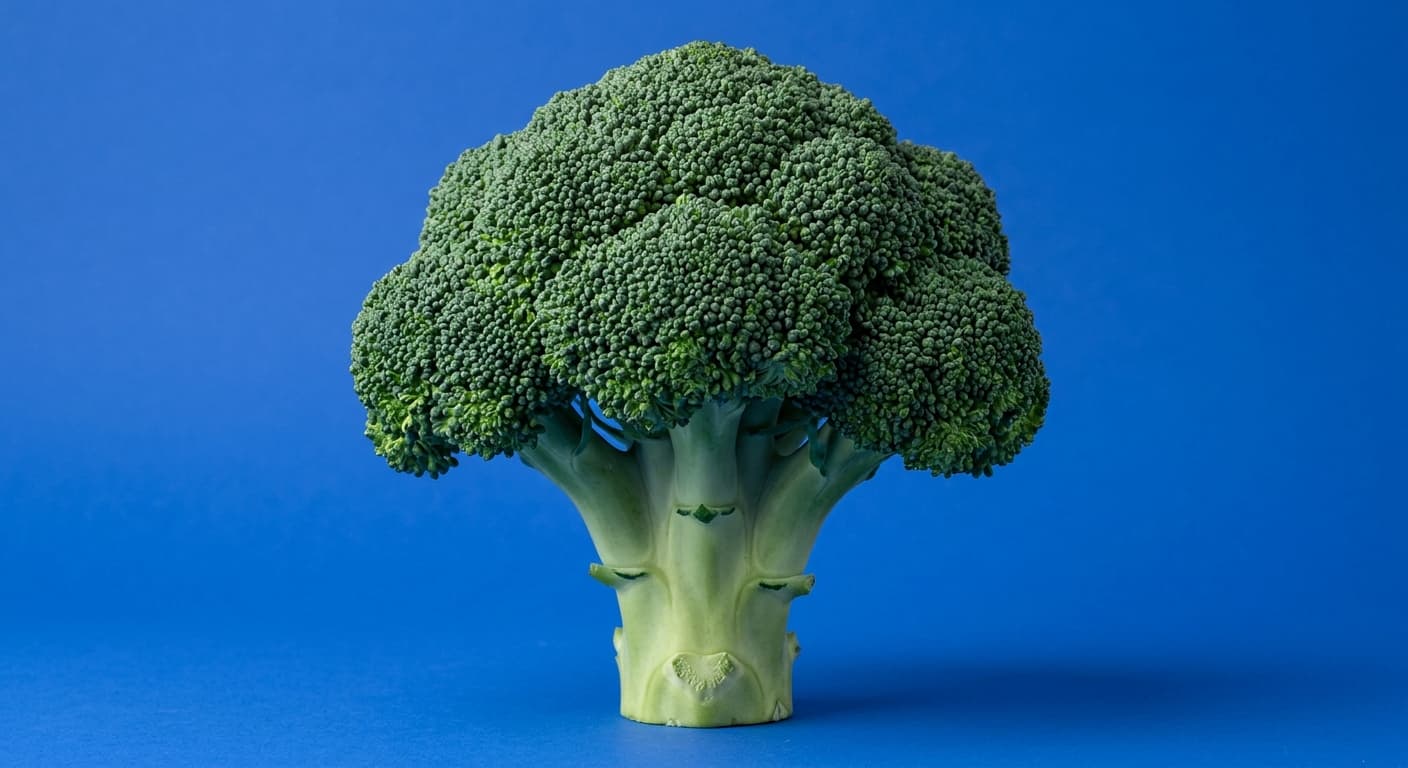
Broccoli Elevated to "Designated Vegetable" for the First Time in 52 Years — Transforming Japan's Dining Culture and Food Scene
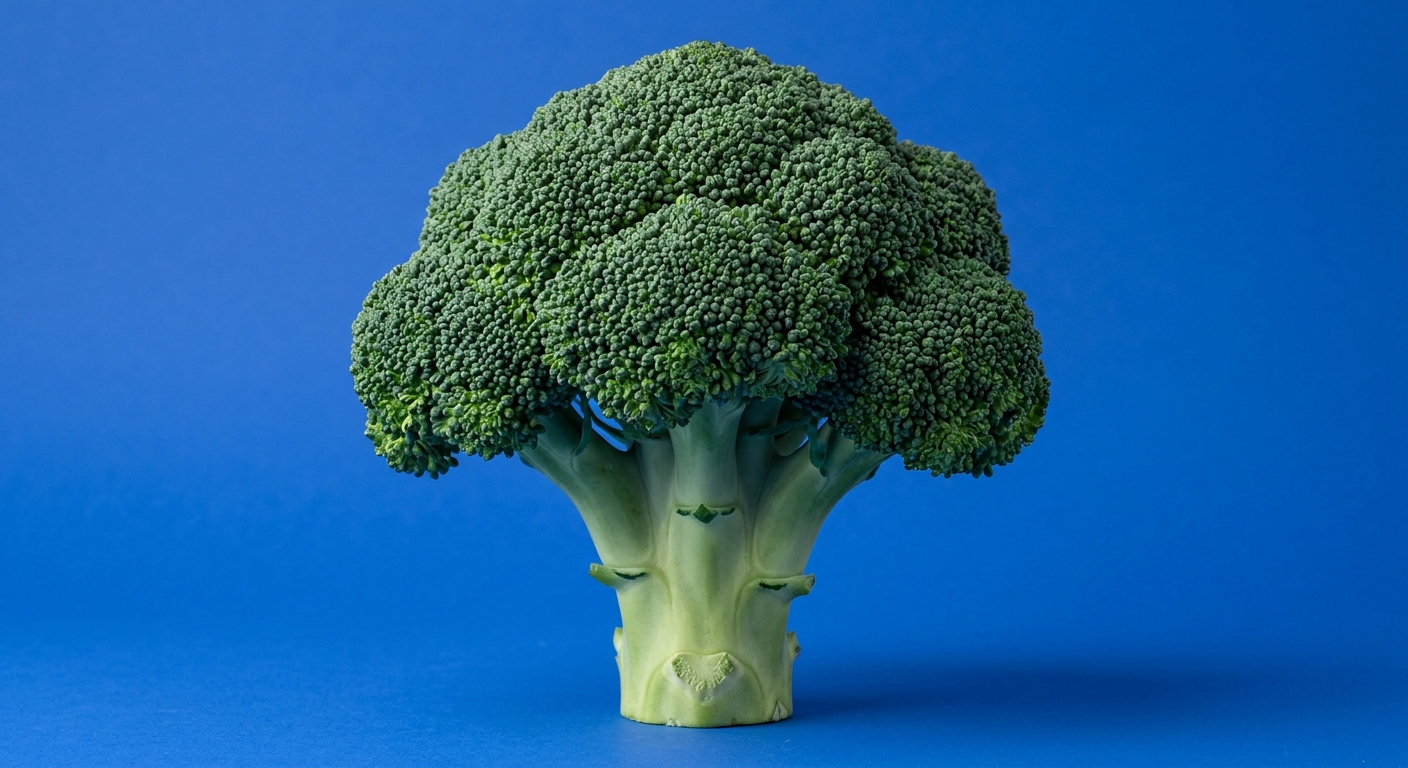
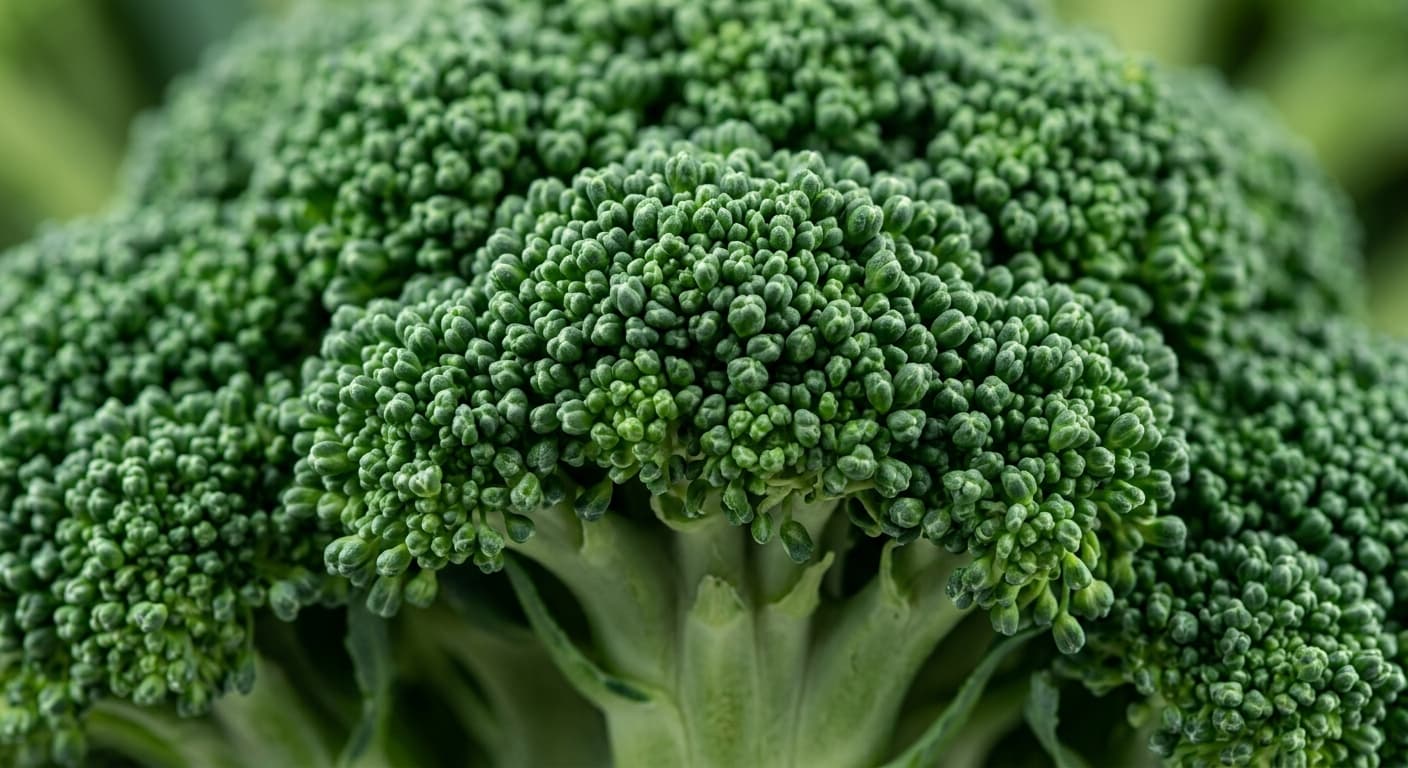
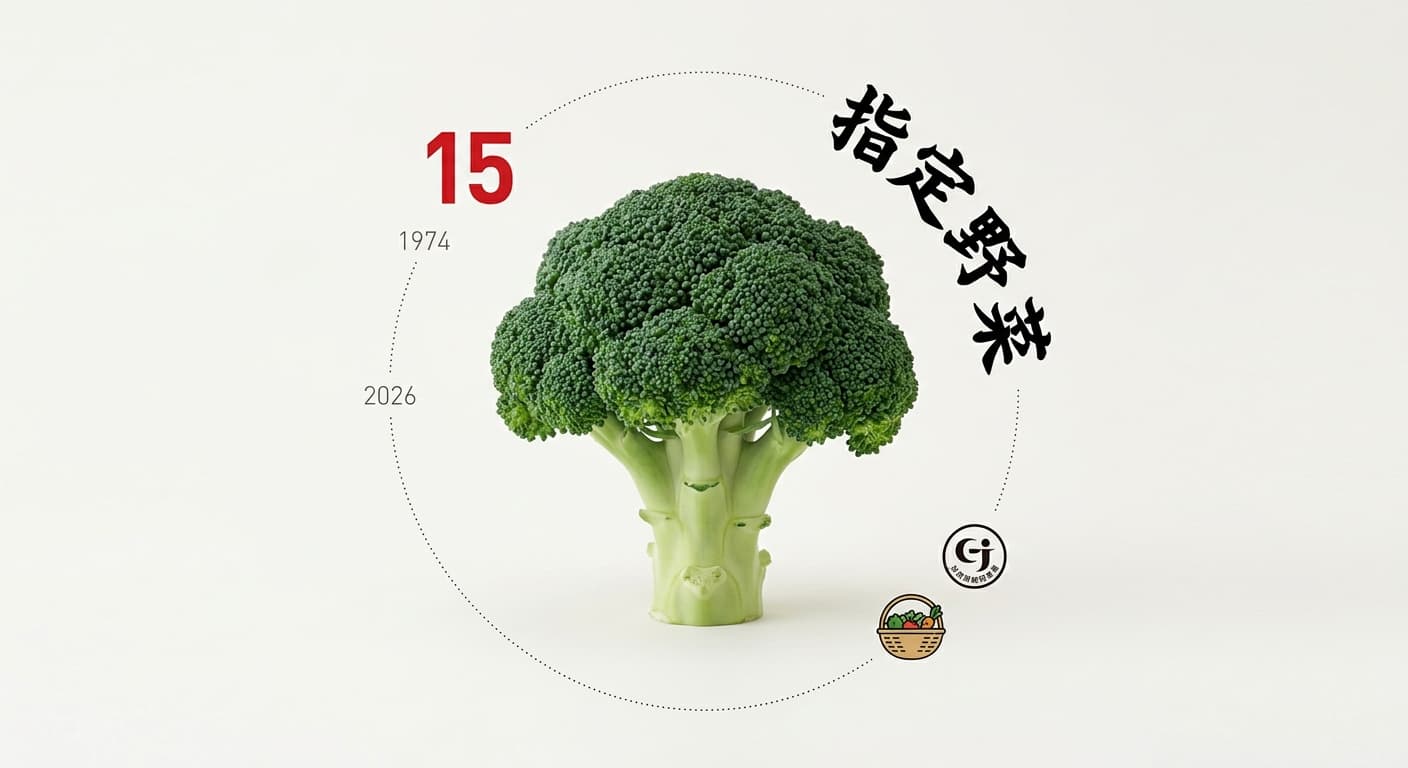
On April 1, 2026, a quiet yet historic shift took place at Japanese dinner tables. The Ministry of Agriculture, Forestry and Fisheries officially added broccoli to its list of "Designated Vegetables." The last item to be added was the potato — back in 1974. This first new addition in 52 years has sent ripples far beyond the produce aisle, sparking a "broccoli wave" across restaurants, convenience stores, home kitchens, and food media. The humble green floret, long relegated to salad garnishes and bento box fillers, has now claimed center stage in Japan's culinary scene.
What Are "Designated Vegetables"? Understanding the System
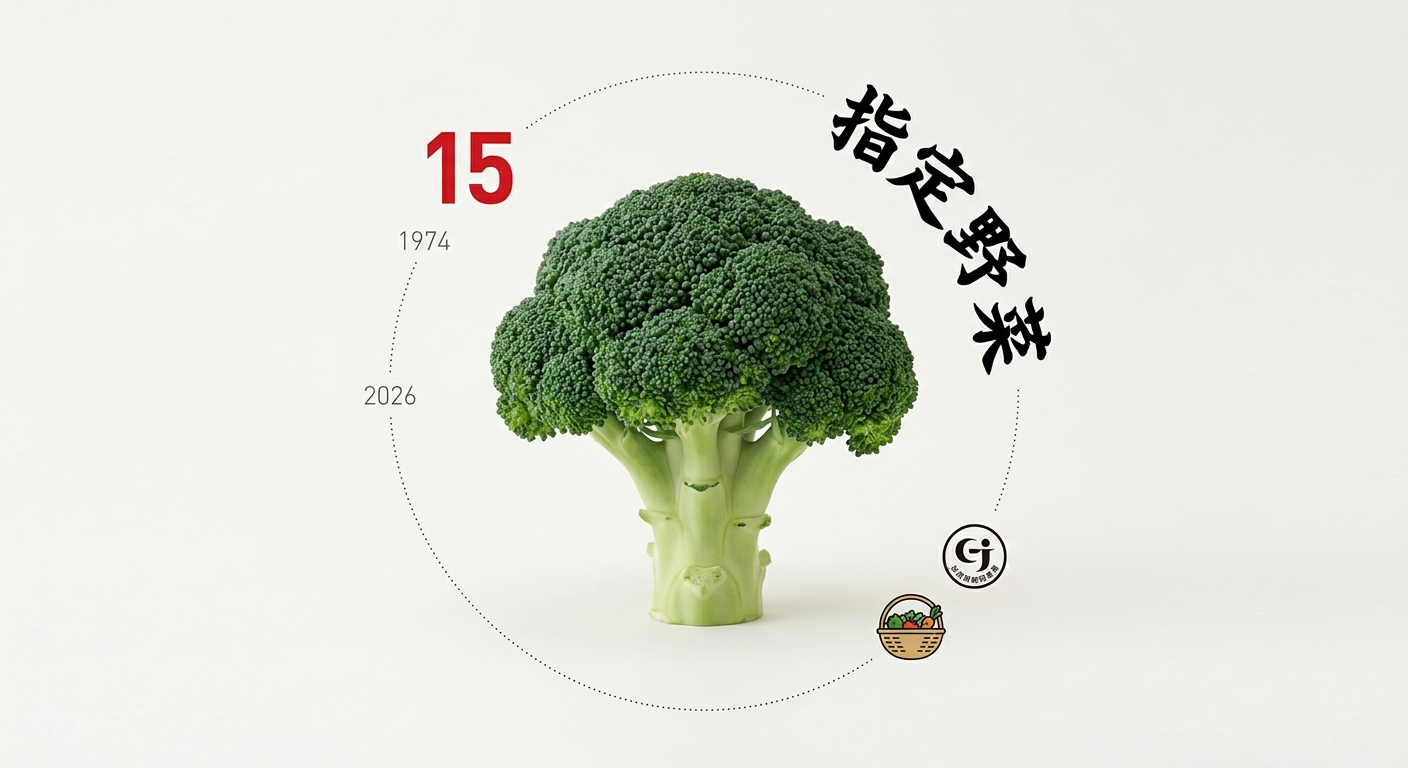
"Designated Vegetables" is a category established by Japan's Ministry of Agriculture, Forestry and Fisheries for vegetables consumed in particularly large quantities and considered vital to the nation's diet. Once designated, producers receive enhanced subsidies in the form of "price differential payments" when market prices drop sharply. Suppliers are also required to follow government-guided production and distribution plans, ensuring consumers can purchase these vegetables at stable prices year-round.
Before broccoli's promotion, the Designated Vegetables list comprised the following 14 items:
- Cabbage, cucumber, taro, daikon radish
- Tomato, eggplant, carrot, green onion
- Napa cabbage, bell pepper, lettuce, onion
- Potato, spinach
Broccoli had previously been classified as one of 35 "Specified Vegetables," making this the first time a vegetable has been promoted from that tier to Designated status. According to the agricultural media outlet Tobari Net, Designated Vegetables are further subdivided into "priority," "adjustment," and "general" categories, each with increasing levels of government support for maintaining and expanding production areas.
52 Years in the Making — How Broccoli Became a Staple of Japanese Life
Broccoli's history stretches back to ancient Rome. It arrived in Japan during the Meiji era but gained little traction at first. The turning point came in the 1970s, when Japanese cuisine began embracing Western influences. Through the 1980s, growing nutritional awareness and year-round availability of imported broccoli drove consumption skyward. Today, the numbers speak for themselves — 2022 shipments reached 157,100 tonnes, up 28% from 2012, with production volumes doubling over the past two decades (Tokyo Shimbun Digital).
Another sign of broccoli's ascent to staple status is its dominance in the frozen vegetable market. It has overtaken long-time leaders — potatoes and edamame — to rank first in frozen vegetable purchases by value. With roughly 40% of consumers buying at least one head per week, and the largest group (33.8%) buying one to three per month, broccoli's credentials as a true household staple are hard to dispute.
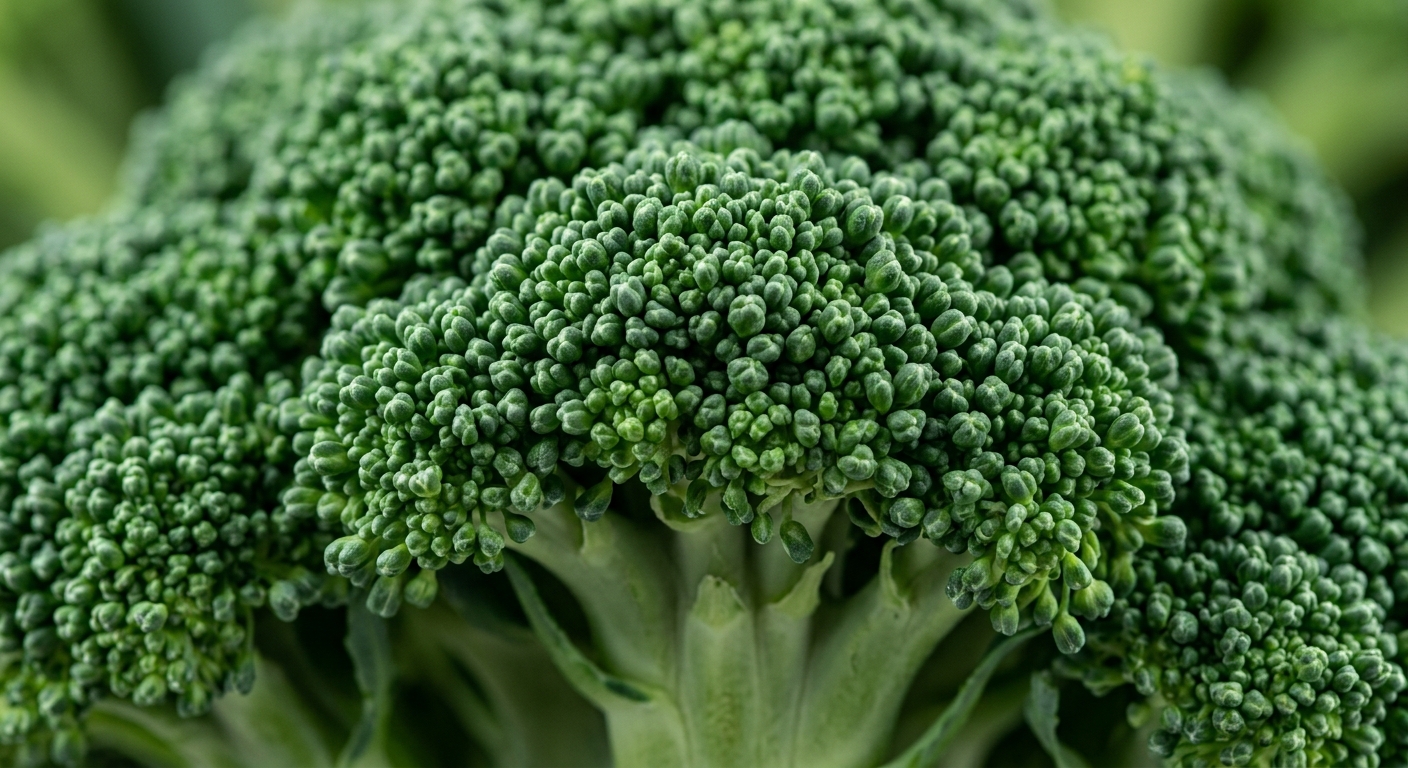
Why Broccoli, Why Now? Six Reasons Behind the Surge
The promotion to Designated Vegetable didn't happen overnight. Several converging trends helped make it inevitable.
① Surging Consumption and Expanding Production
Household purchases rose 29% in the decade from 2012 to 2022, while production doubled over the past 20 years — a growth trajectory that made government support not just desirable, but necessary.
② The Health and Wellness Boom
Riding the wave of fitness culture and diet-conscious eating, broccoli has cemented its reputation as the "king of healthy vegetables." A consumer survey of 7,897 respondents nationwide (conducted March 13–16, 2026) found that 69.8% cited "high nutritional value" as their reason for buying broccoli. According to Kagome, just 100g of cooked broccoli covers roughly one-fifth of an adult male's (ages 30–49) daily dietary fiber needs, over two-thirds of his vitamin C, his full daily vitamin K, and about two-thirds of his folate requirements. Per 100g edible portion: 140mg vitamin C, 210μg vitamin K, 220μg folate, and 1.3mg iron — a nutritional profile that stands out among vegetables.
③ Rise to the Top of the Frozen Vegetable Market
Frozen broccoli has overtaken potatoes and edamame to claim the top spot in frozen vegetable purchases by value, establishing itself as a freezer staple. Its appeal is simple: quick, easy preparation in a microwave.
④ Government Recognition Driving Media Exposure
The newsworthiness of "first time in 52 years" generated explosive coverage across TV, web media, and social platforms. Consumer awareness of the designation reached approximately 46.7%.
⑤ The Food Waste and Upcycling Movement
The stems discarded during cut broccoli production amount to roughly 800 tonnes per year at iFarm alone (out of 3,500 tonnes annual production). Upcycling projects and pop-up restaurants shining a light on this waste sparked considerable buzz.
⑥ Growth of Convenient Ready-to-Eat Products
Pre-cooked packaged broccoli — including steamed and roasted varieties ready to eat straight from the bag — is rapidly expanding the consumer base by removing the need for any preparation.
At the Family Table — How Japanese Consumers Are Eating Broccoli
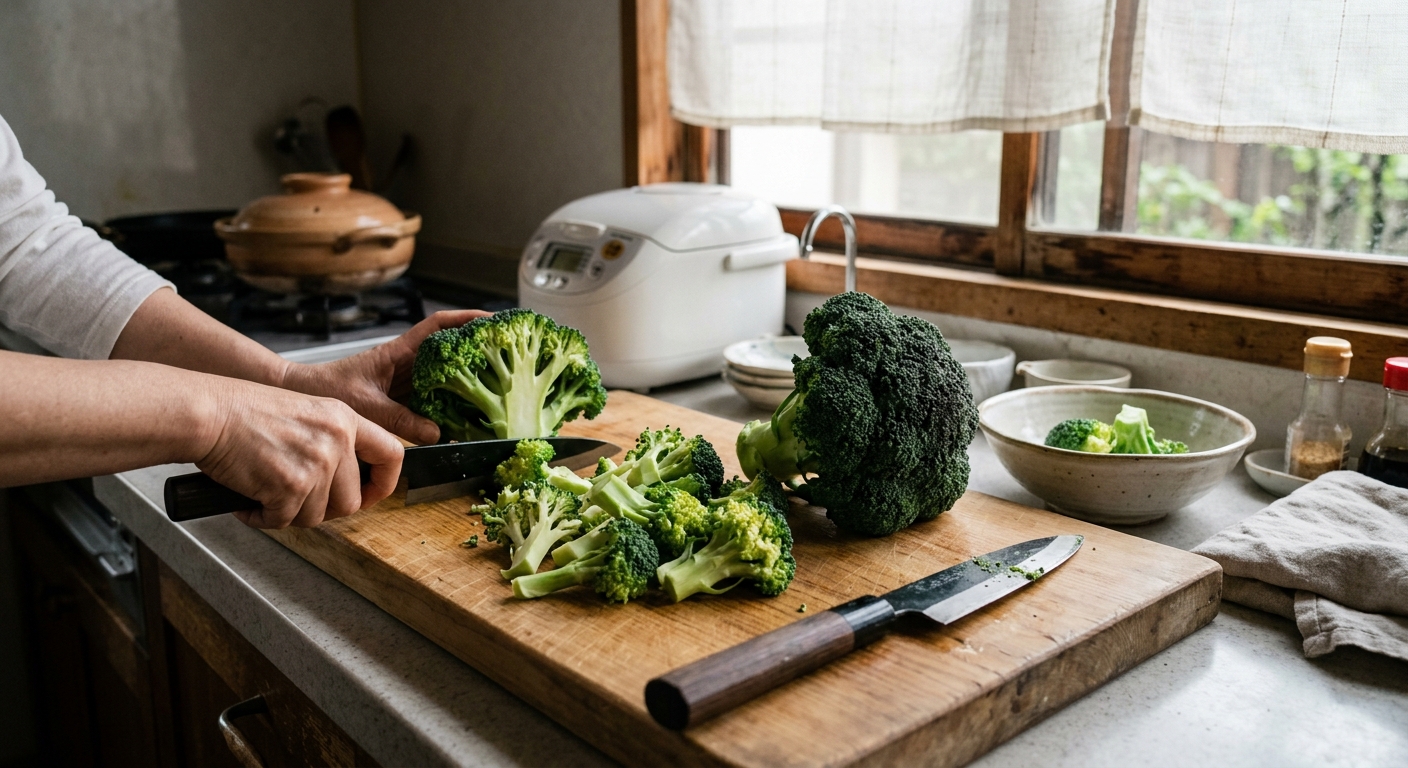
A nationwide consumer survey of 7,897 people conducted by Kufu Company shed light on how people actually eat broccoli at home. The most popular preparation is in salads (73.0%), followed by as a side dish (60.9%). More than 60% of respondents use a microwave to prepare it, reflecting strong demand for pre-cooked packaged options that eliminate washing, cutting, and boiling. Around 90% of consumers also eat the stems (combining those who "always" and "sometimes" do), a figure that reflects growing food waste awareness. More than half said they want to eat more broccoli going forward, pointing to continued consumption growth.
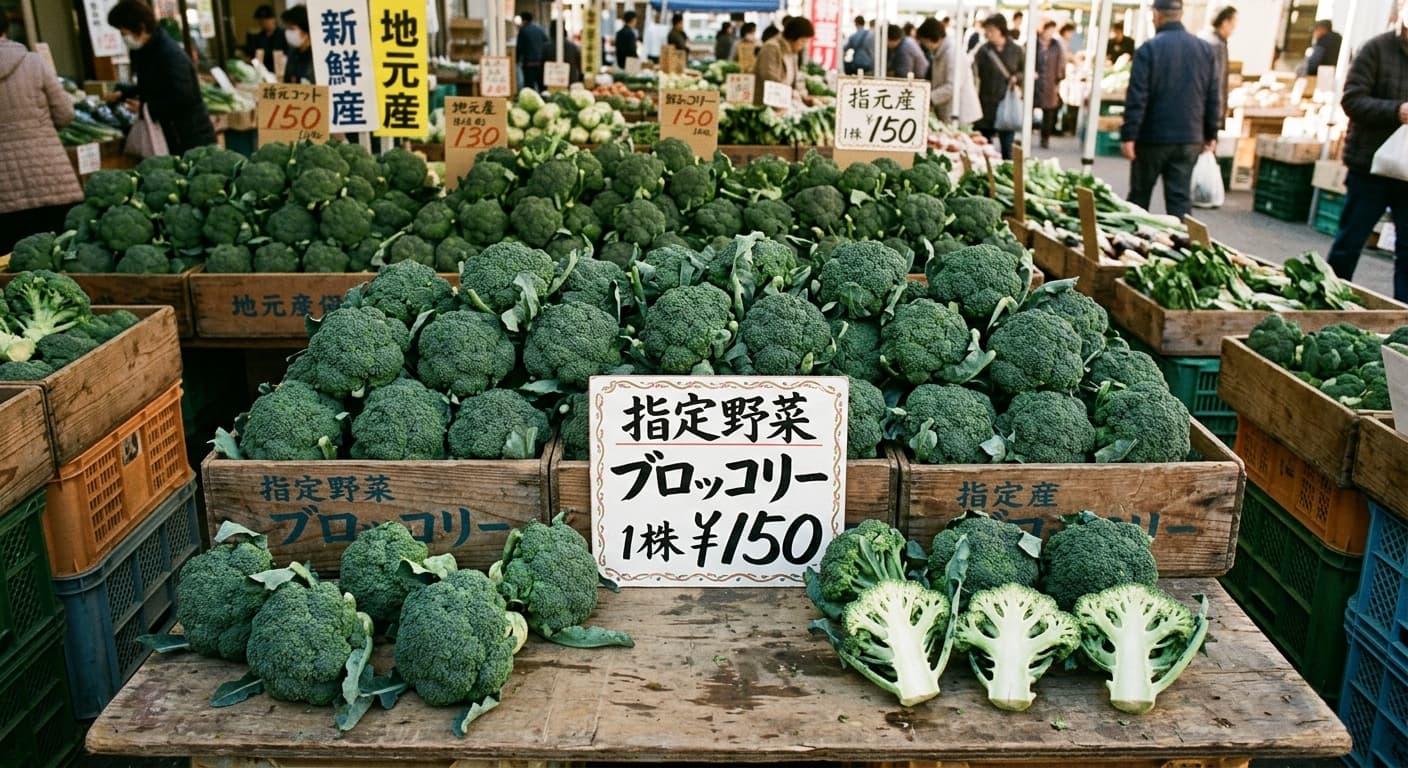
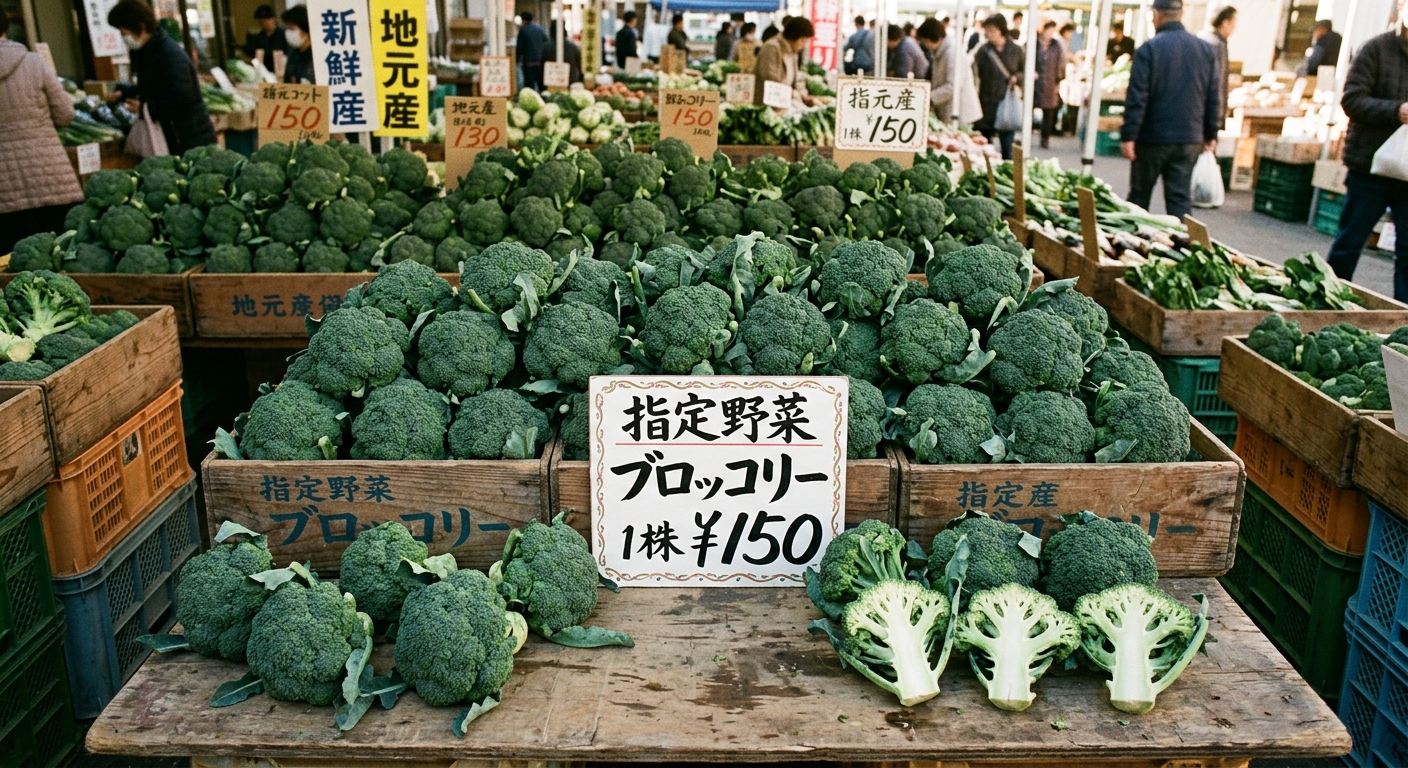
On pricing, consumers most commonly begin to perceive broccoli as expensive in the ¥200–249 range (45.0%), followed by ¥150–199 (38.8%). The ¥100–149 range is seen as good value (55.0%). The average maximum price consumers are willing to pay is ¥186 (before tax). Given the wide price swings recorded at Tokyo wholesale markets — ¥298 to ¥707 per kilogram over the past year — both producers and consumers have high hopes that Designated Vegetable status will bring greater price stability.
Restaurants and the Gourmet Scene — From Supporting Role to Star
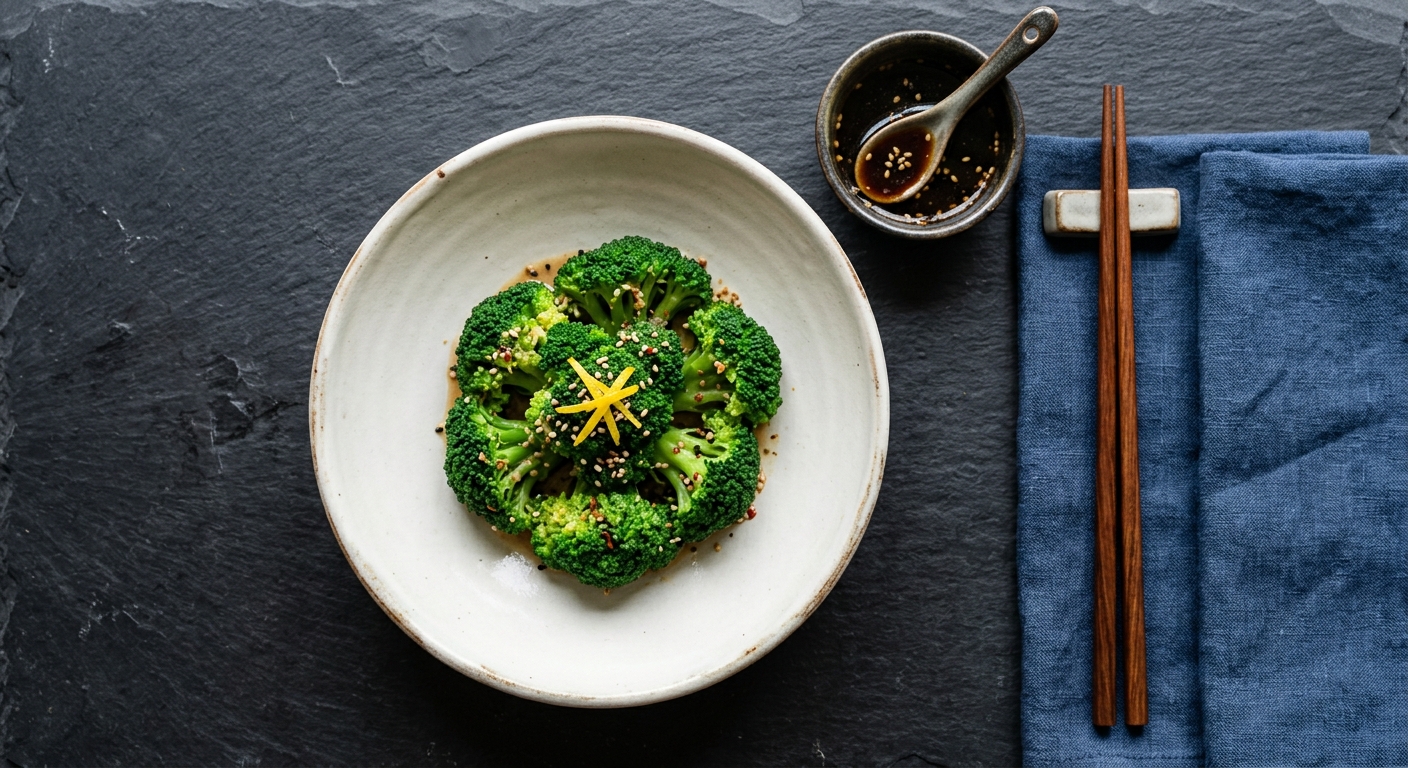
Following broccoli's promotion to Designated Vegetable, restaurants across Japan have rushed to develop menus that put it in the spotlight. One establishment that drew particular attention was "Ja Nai Hou no Broccoli Restaurant" (loosely, "The Other Broccoli Restaurant"), which ran as a pop-up from February 4 to 28, 2026, at Harvest Festival Cafe & Marche in Omotesando, Tokyo.
The menu, conceived by chef Naoya Makimura, was built around broccoli stems — the part normally thrown away. The concept, developed in partnership with iFarm to upcycle stems that would otherwise be discarded, generated considerable public interest. According to Croissant Online, the signature dish, "Stem Ajillo" (¥500), features stems and garlic roughly chopped and slowly simmered for 15 minutes in vegetable oil with dried chili, then finished with salt, soy sauce, ginger, diced almonds, and fried onions for another 5 minutes — a genuinely impressive plate. The menu also included an onigiri and miso soup set (¥1,200), a salad bowl (¥1,300), carpaccio (¥650), and zunda-style rice dumplings (¥350), all using broccoli in its entirety, from florets to stem.
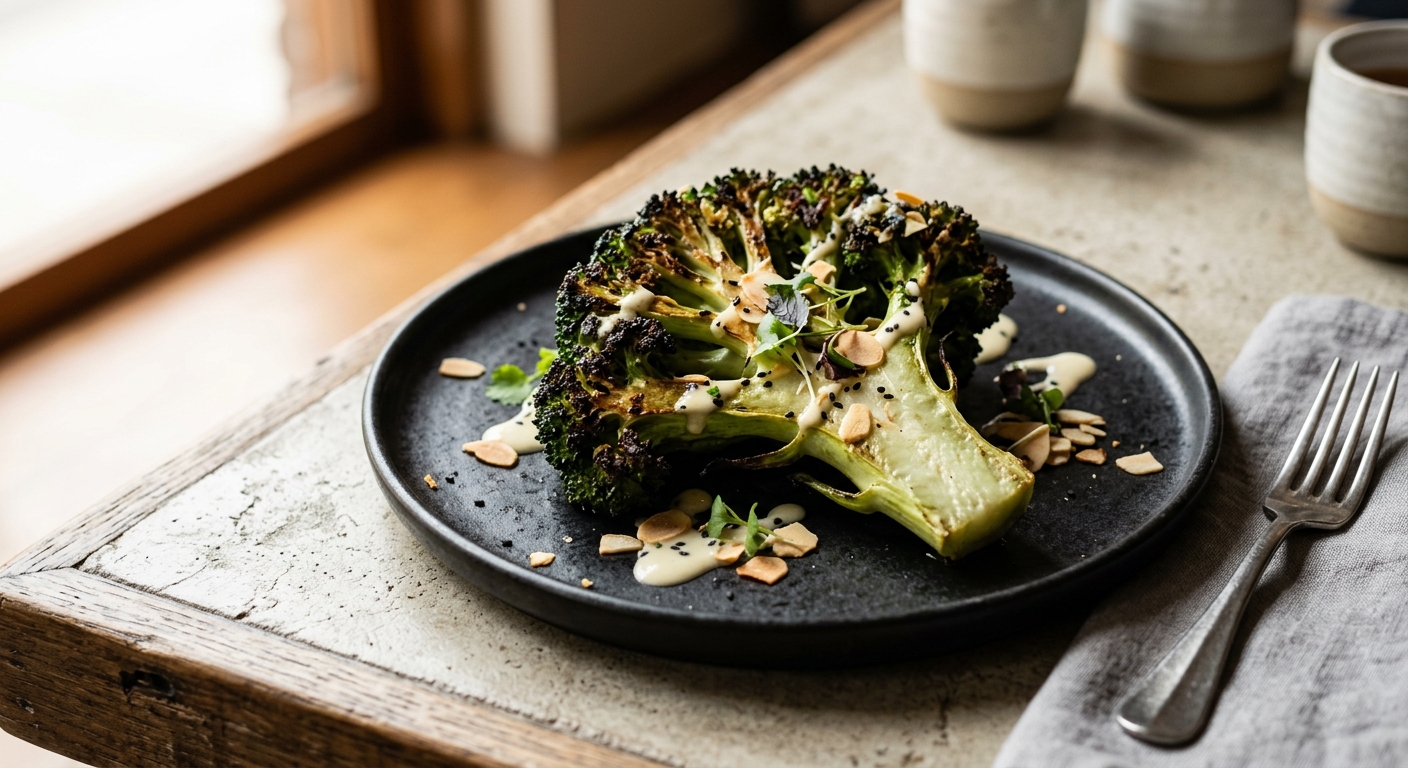
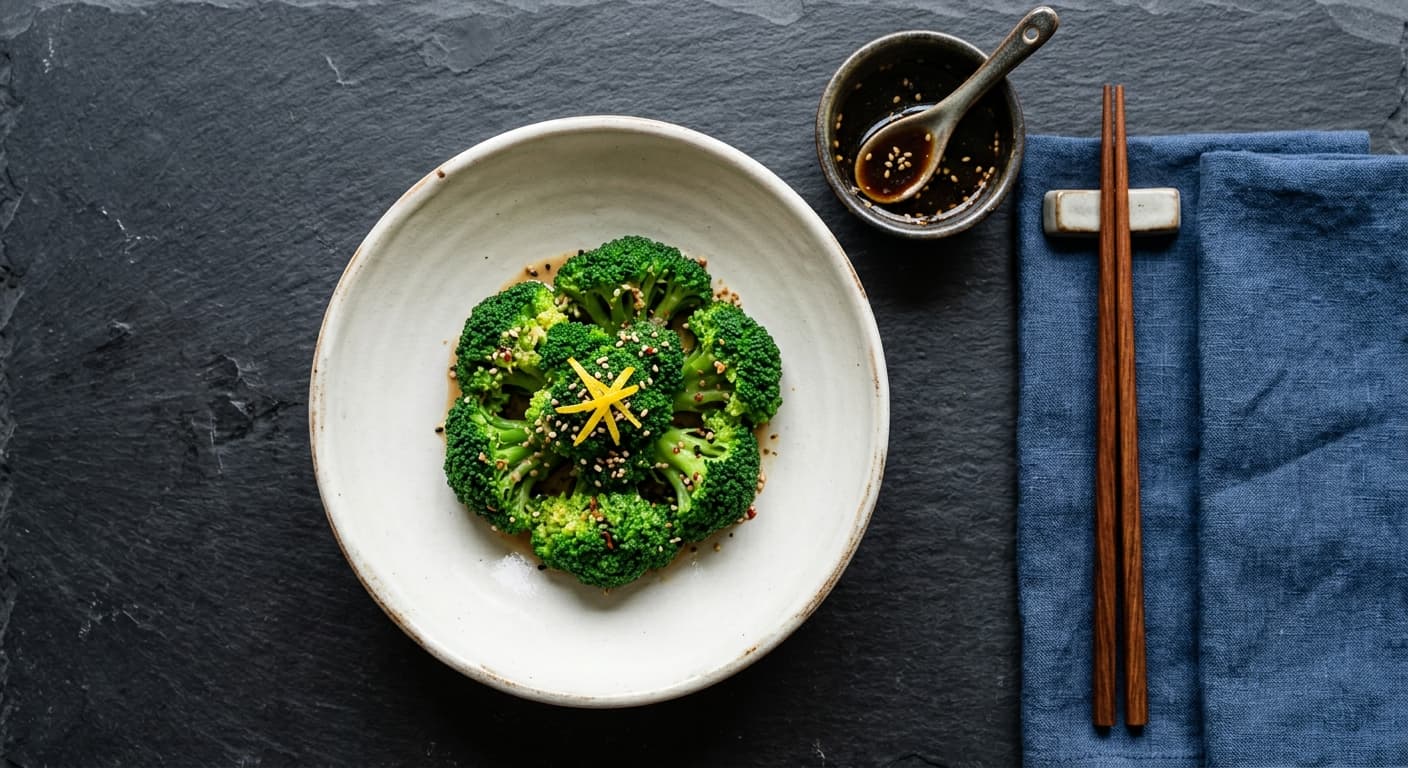
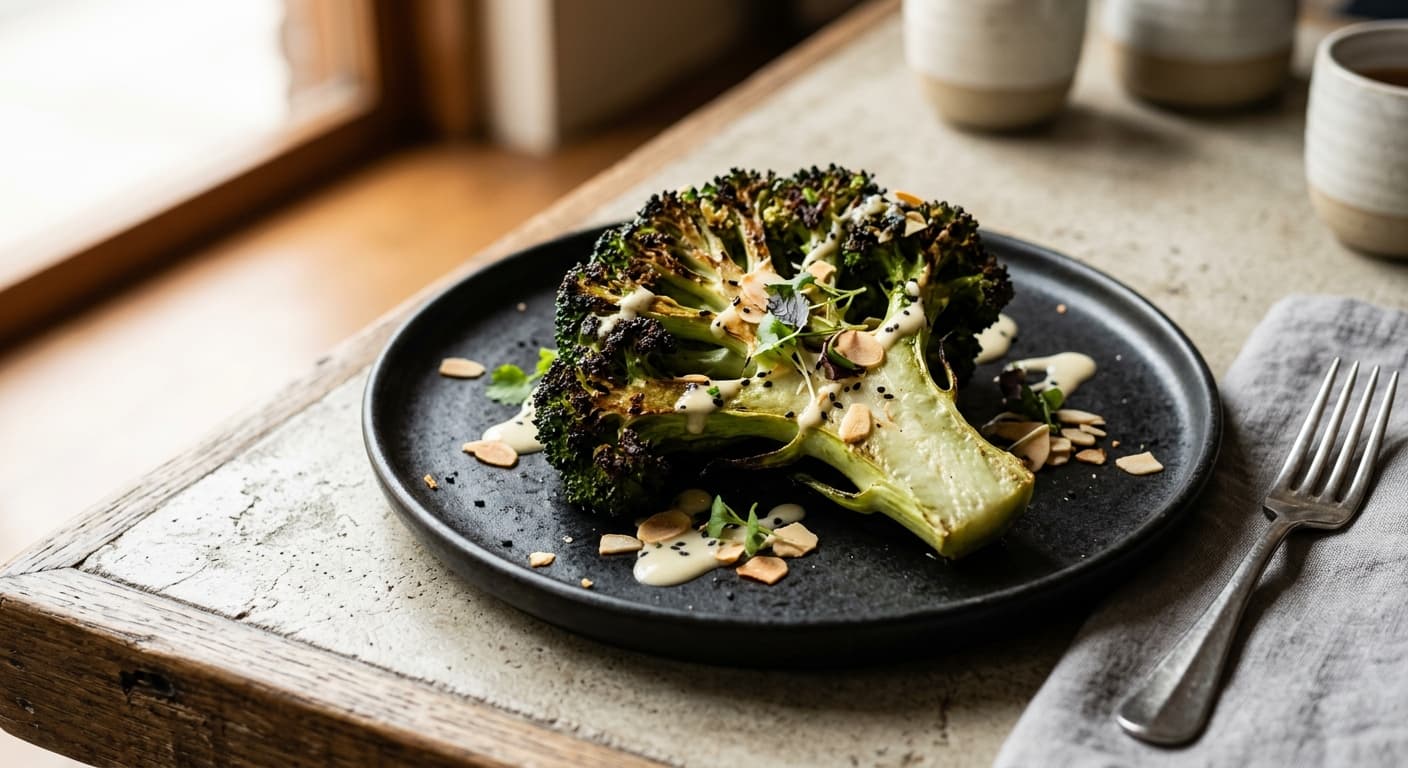
The success of these pop-up concepts signals that broccoli is earning recognition not just as a health food, but as a legitimate gourmet ingredient. Dishes like broccoli steak, broccoli carpaccio, and broccoli tempura — challenging the conventional wisdom that it belongs only in salads and on the side — are appearing across a wide spectrum of venues, from fine dining restaurants to bistros and traditional Japanese eateries.
Convenience Stores and the Food Industry — Cashing in on the "National Vegetable"
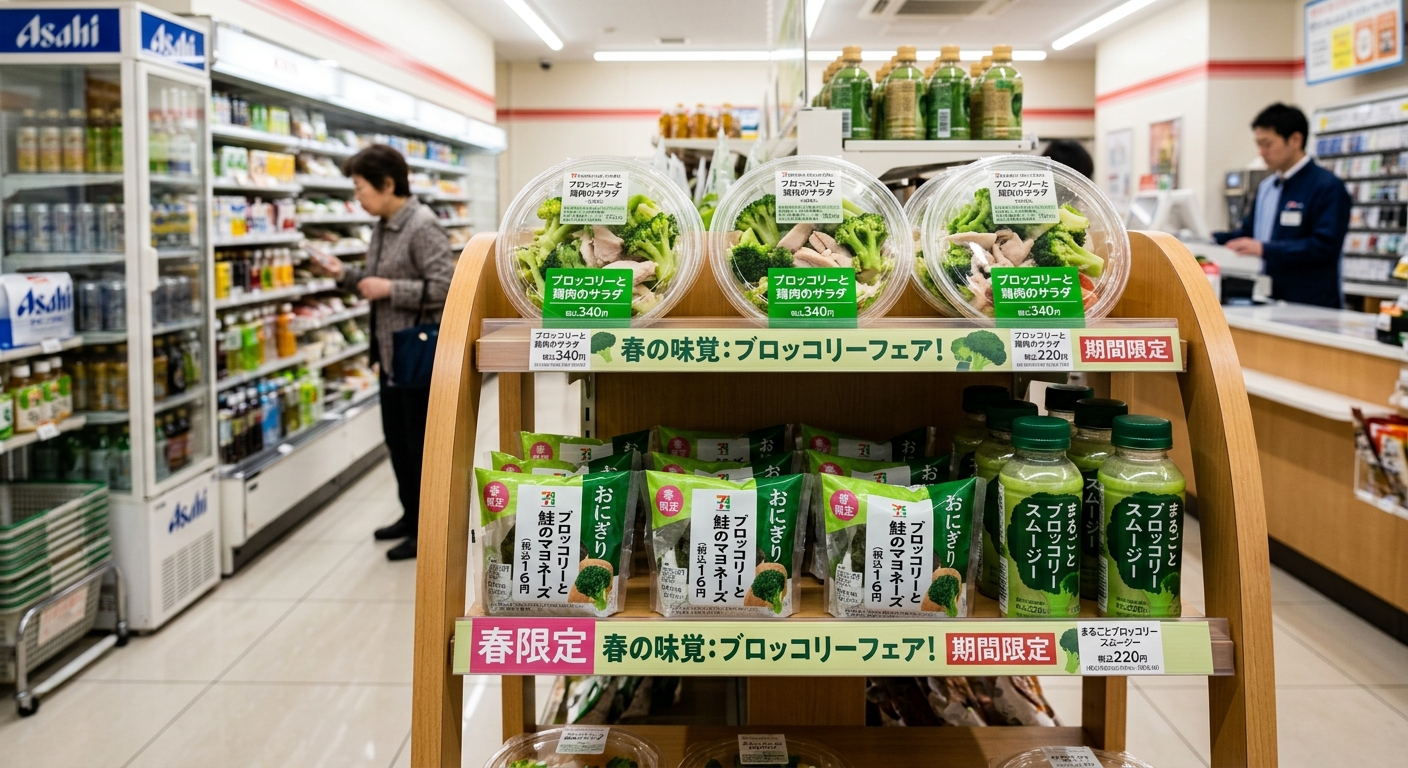
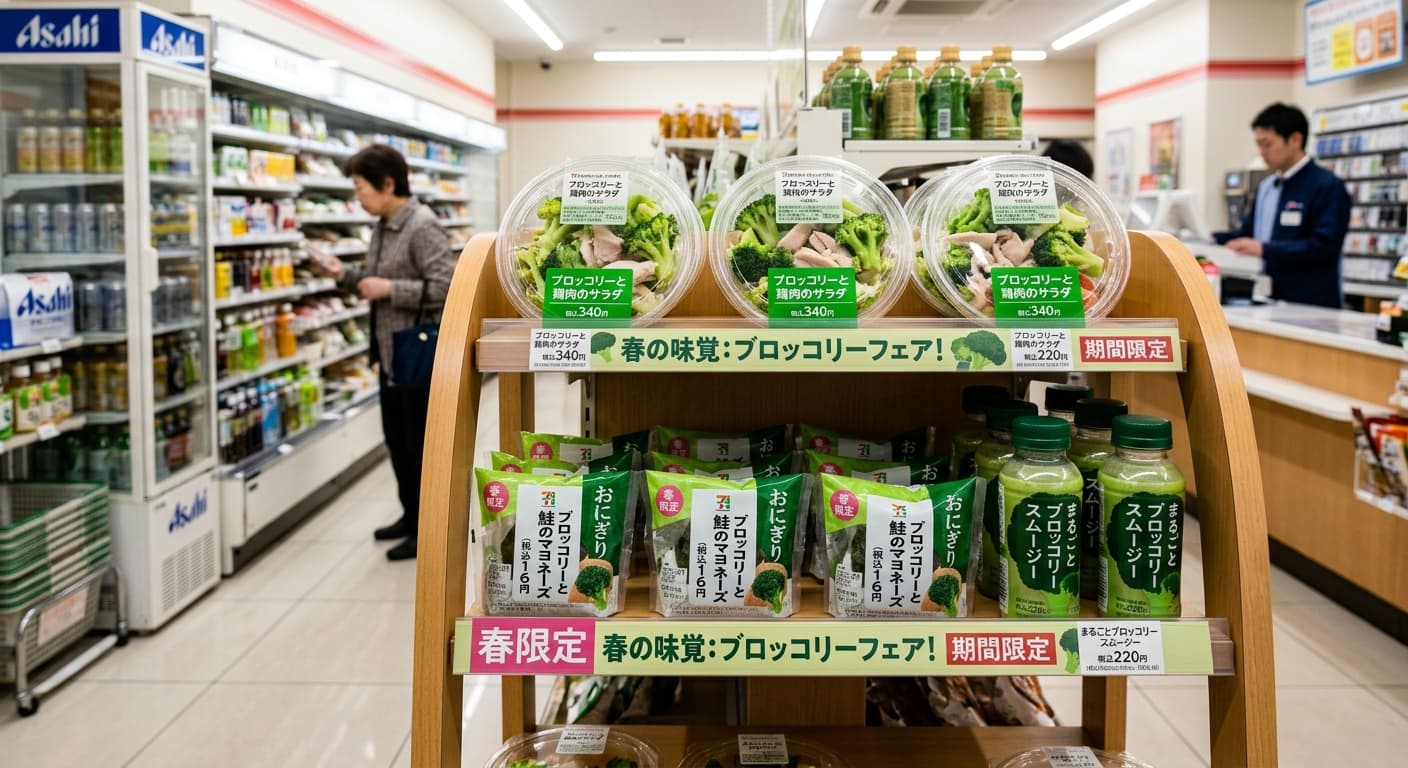
Japan's major convenience store chains are treating the "broccoli boom" as a major business opportunity, aggressively rolling out new products. Shelves are now filling up with broccoli-forward offerings spanning salad sides, frozen foods, smoothies, and bento boxes.
One of the most closely watched initiatives in the food industry is Salad Club's "Paku-Vege" (Pakutto Pakuvegitable) line — domestic broccoli sold in two varieties, steamed and roasted, ready to eat straight from the package. Akito Shinya, president of Salad Club, captured the industry's sense of purpose well: "Broccoli's promotion to Designated Vegetable represents the nation's commitment to stable supply and expanded consumption. Leading the charge on domestic broccoli is our responsibility." Producers nationwide — from Hokkaido to Nagasaki — have organized relay-style production schedules to ensure a stable, year-round supply of fresh domestic broccoli.
From Gourmet Cafes to Everyday Tables — Broccoli as a Lifestyle
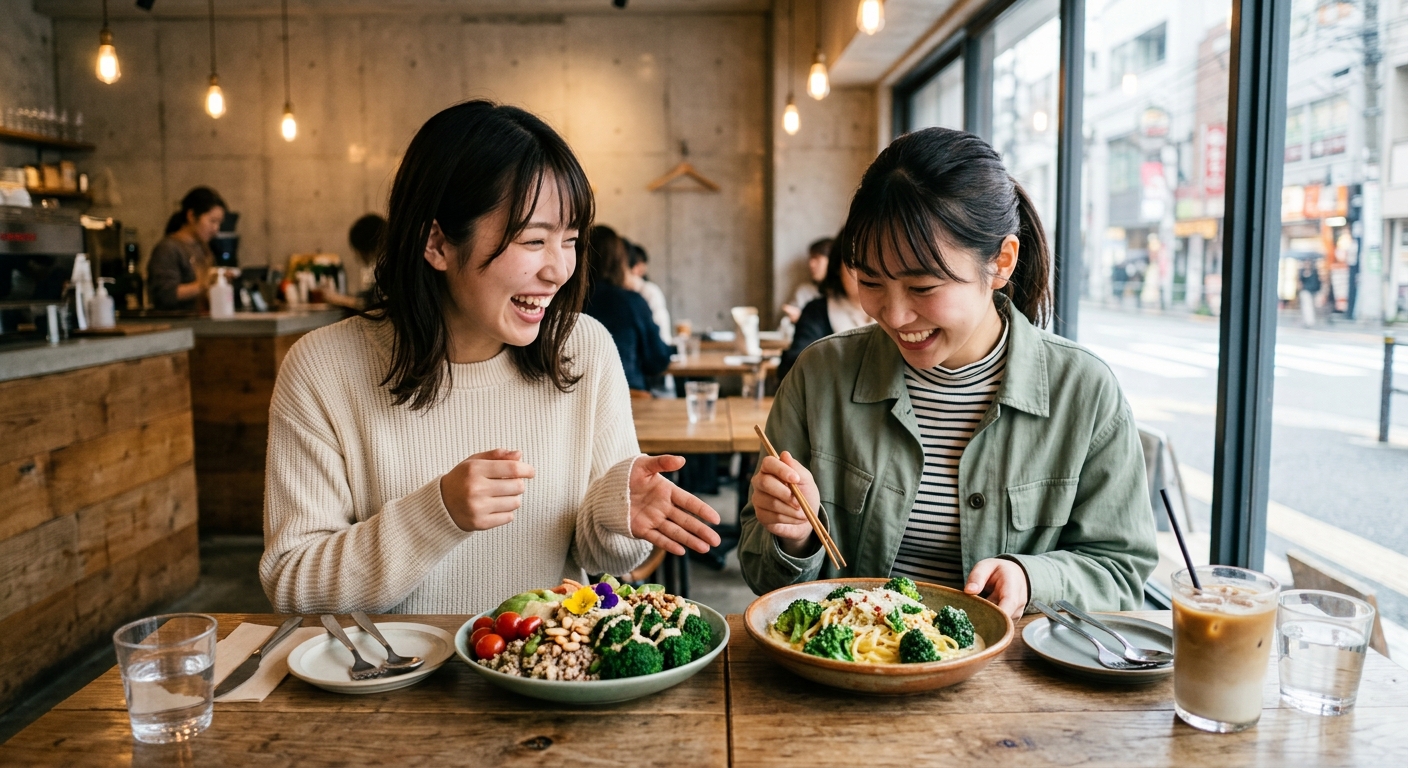
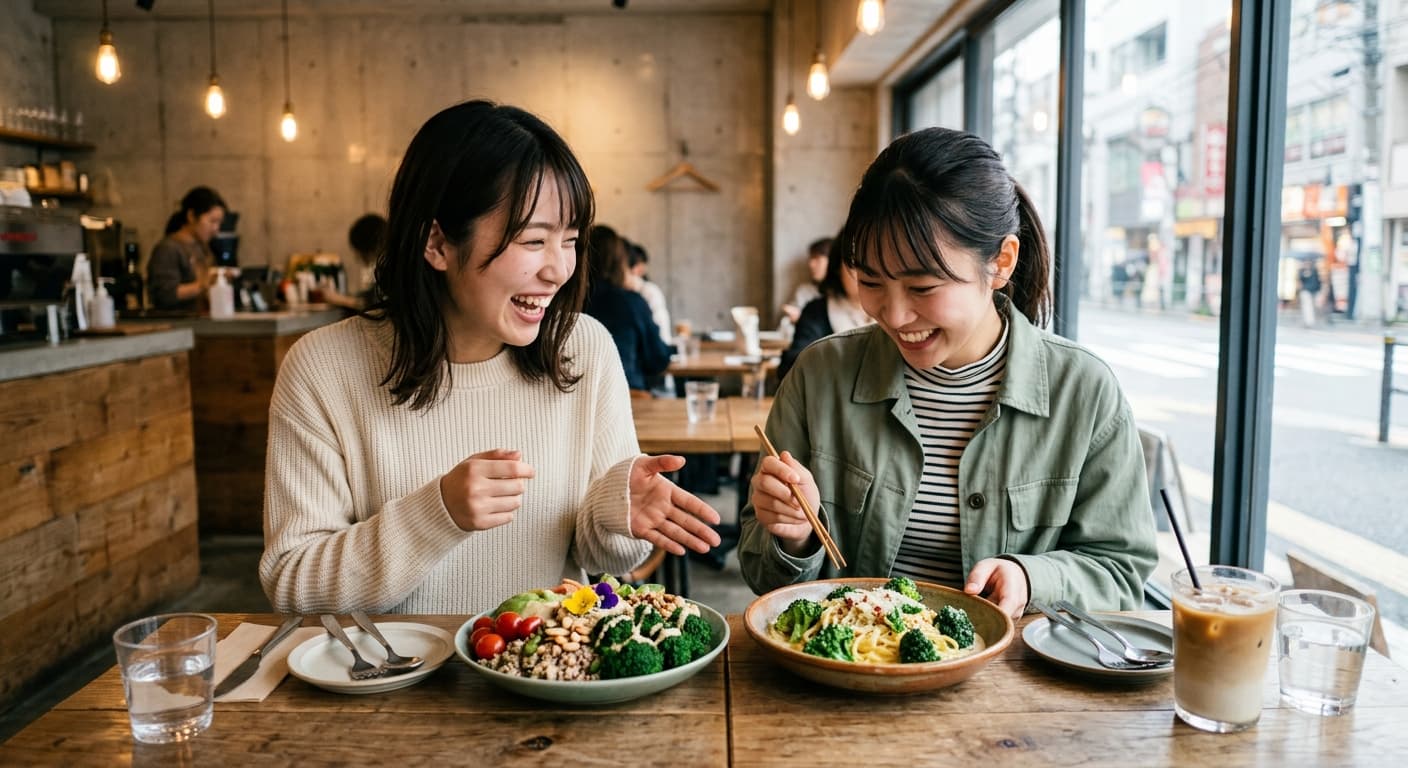
Designated Vegetable status is actively reshaping broccoli's brand image. Once viewed by many as something you eat out of obligation for your health, broccoli is now a vegetable younger consumers — particularly health-conscious women in their 20s and 30s — are actively choosing. An article on FujinKoron.jp also highlighted research suggesting that broccoli sprouts may help with hay fever, adding a beauty and wellness dimension to broccoli's growing appeal.
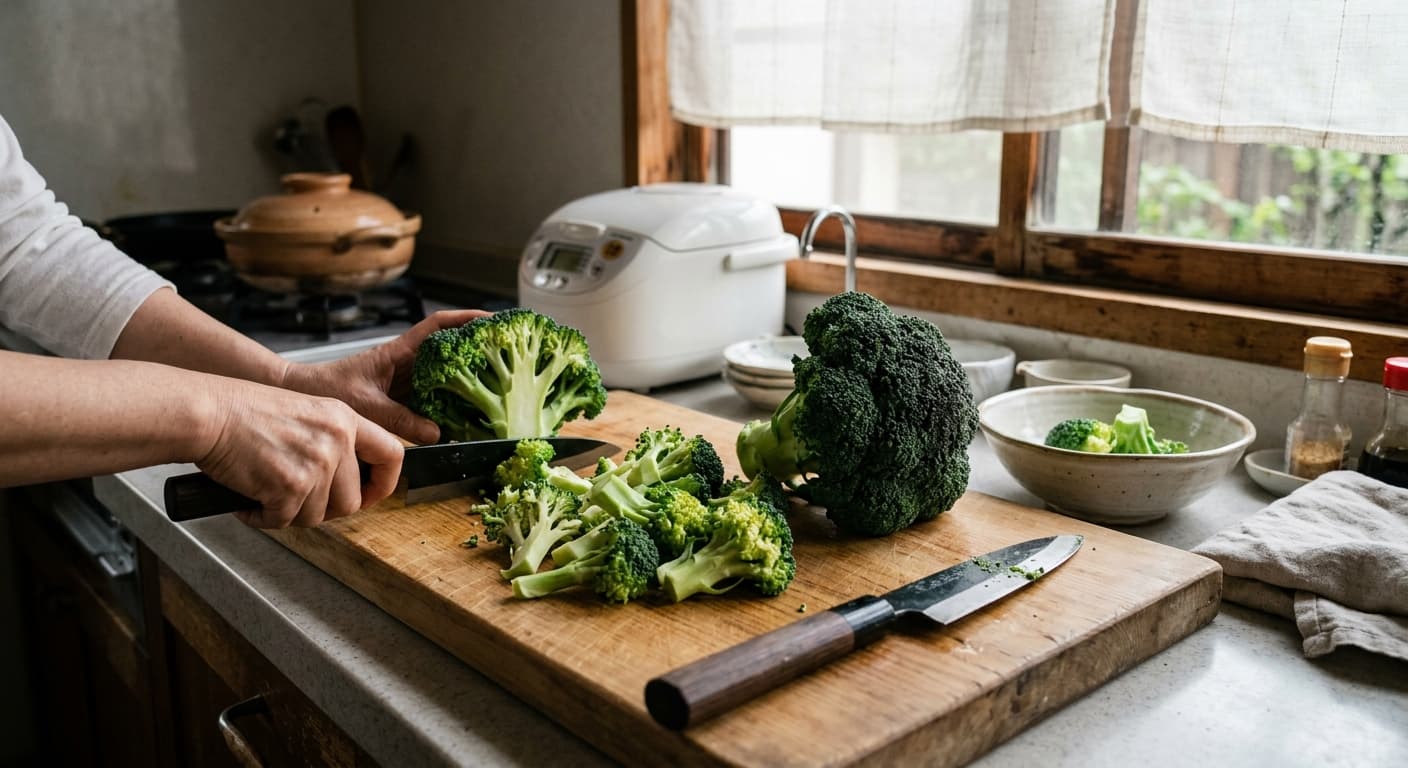
The "eat the stems too" movement is also taking hold. The stem accounts for roughly 100g of the vegetable's weight and offers comparable nutrition to the florets, yet has long been discarded by most households. As it becomes more widely known that simply peeling the tough outer skin with a vegetable peeler — or slicing away the fibrous edges with a knife — makes the stem perfectly palatable, interest in using the whole vegetable has grown from both a zero-waste and a nutritional standpoint. Stem ajillo, for example, can be repurposed into pasta, mixed rice dishes, or onigiri fillings, giving it remarkable versatility across multiple meals.
The Road Ahead — What Designated Vegetable Status Means for Growers, Consumers, and the Food Industry
Designated Vegetable status brings tangible change, not just symbolic recognition. For growers, the enhanced "price differential payment" subsidy kicks in when market prices fall sharply, enabling more stable farm operations. It specifically reduces the risk of bumper-crop losses due to bad weather, supporting the long-term viability of broccoli farming and the expansion of growing regions. Government-mandated supply planning based on demand guidelines will also curb both oversupply and undersupply, making procurement planning easier for distributors and retailers alike.
For consumers, the biggest benefit is price stability. The wild swings of ¥298–¥707 per kilogram recorded at Tokyo wholesale markets are expected to narrow as institutional support takes effect. If prices can consistently stay below the ¥200–249 threshold at which consumers start to feel the pinch, further consumption growth looks likely.
For the food industry, the Designated Vegetable label becomes a powerful marketing asset. The narrative of broccoli as a "nationally recognized essential vegetable" directly supports premium product development and domestic broccoli branding. Beyond boosting domestic consumption, there is growing interest in positioning Japanese-grown broccoli as a nutritious "Japanese superfood" in export markets.
Closing Thoughts — The Age of the "Green King" Begins
It took 52 years for broccoli to reach Designated Vegetable status, but that journey mirrors the broader story of how Japanese food culture has evolved. The spread of Western cuisine, the rise of health consciousness, advances in frozen food technology, growing social awareness of food waste — all of these currents converge at the epicenter of today's broccoli boom. From supporting role to star, from side dish to the centerpiece of the plate: the age of the "Green King" has arrived at Japan's dining tables. The next time you spot a head of broccoli labeled "Designated Vegetable" at the supermarket, take a moment to think about the 52-year story standing behind it.
Sources & References
- FreshPlaza Asia — "Japan includes broccoli in its list of 'designated vegetables'"
- Yahoo! News Expert — "From April 1, Broccoli Elevated to 'Designated Vegetable' for the First Time in 52 Years!"
- Kagome Vege Day — "The Difference Between Designated and Specified Vegetables! Broccoli Becomes a Designated Vegetable in 2026"
- PR TIMES (Kufu Company) — "Broccoli Added to 'Designated Vegetables' in April 2026: About 40% of Consumers Buy at Least One Per Week"
- Croissant Online — "Designated Vegetable from April. How to Make the Most of Broccoli — Stems and All!"
- Tokyo Shimbun Digital — "Broccoli Is Now an 'Important Vegetable': Production Has Doubled in 20 Years as It Becomes the 15th 'Designated Vegetable'"
- Tobari Net (Agricultural Media) — "Why Broccoli, Why Now? What Changes with the New Designated Vegetable Addition"
- FujinKoron.jp — "In April 2026, Broccoli Becomes the First National 'Designated Vegetable' Addition in About 50 Years!"
This article was researched and written by AI based on the primary sources listed above. Information reflects the state of knowledge at the time of writing; please refer to the original sources for the latest updates.