The Bomdong Bibimbap Craze: Chasing the Taste of Spring All the Way to Haenam's "Spring Kimjang" Journey
In the spring of 2026, a new star has emerged on the social media food scene, long dominated by Dubai chocolate and chewy cookies. That star is bomdong bibimbap. Bomdong is a spring cabbage that grows flat and low to the ground in the cold early-spring soil, and its sweet, crisp flavor has been winning over food lovers across the country. But this craze doesn't stop at a single bowl. It has sparked a travel boom — people are heading to Haenam, South Jeolla Province, the heartland of bomdong, for a "spring kimjang" experience, weaving together seasonal ingredients, food, and travel into a brand-new food culture.
What Is Bomdong — The Return of the Seasonal Vegetable
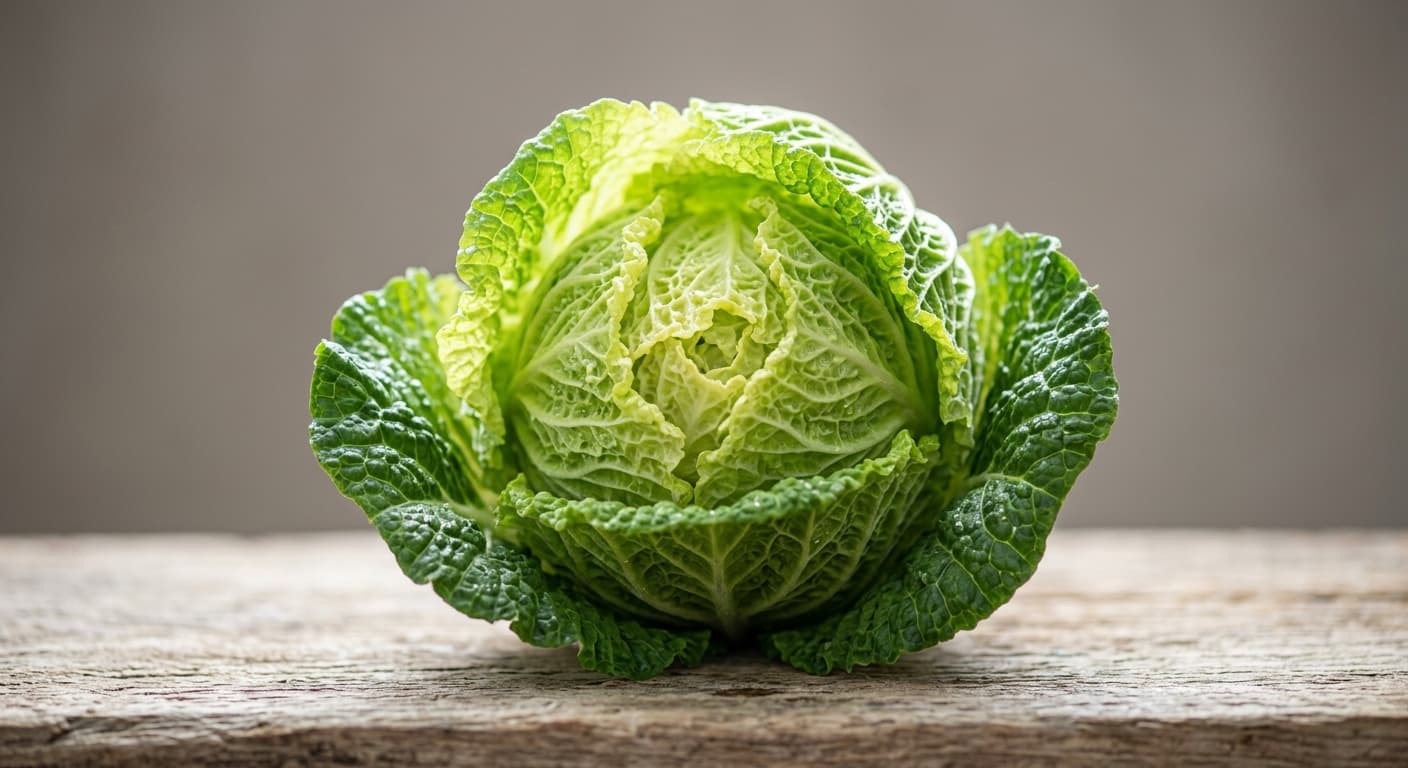
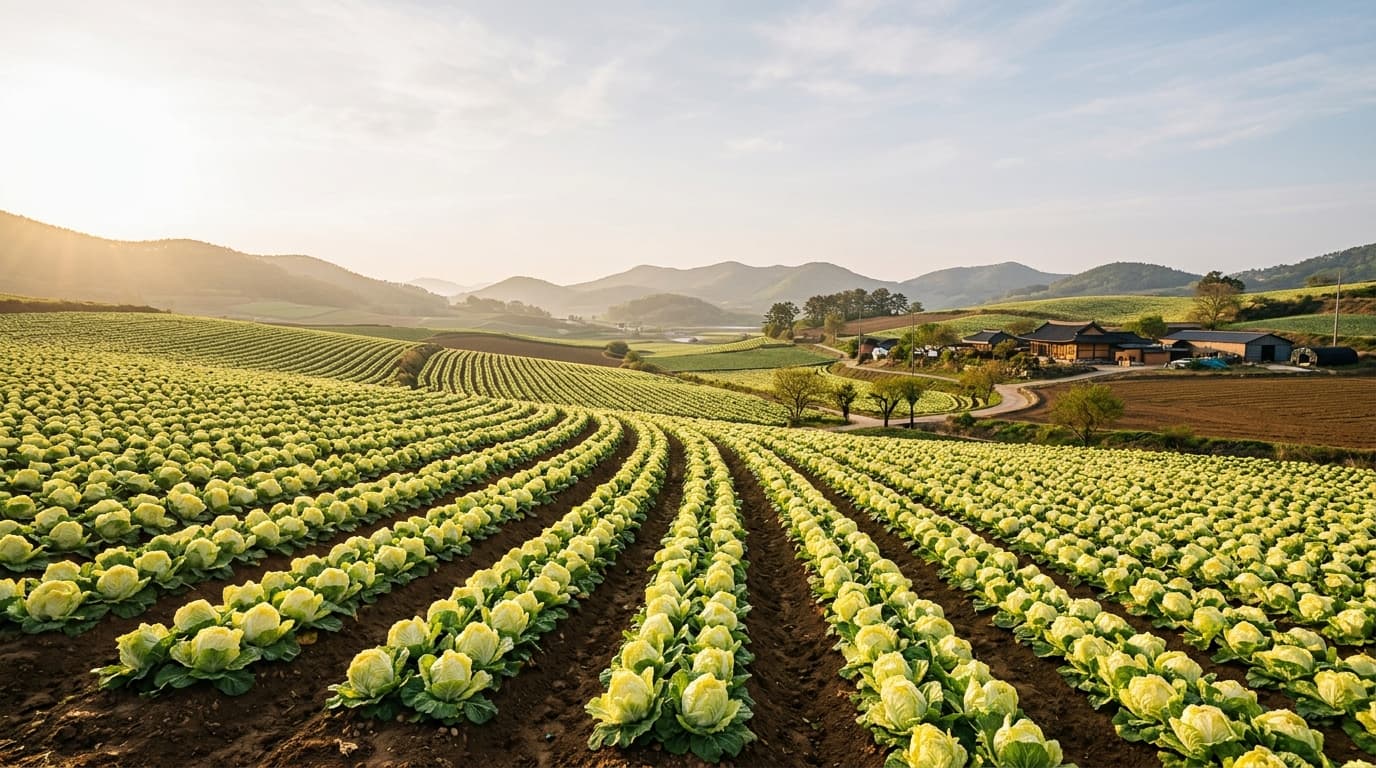
Bomdong (봄冬) is a traditional Korean spring cabbage that, unlike regular napa cabbage, doesn't form a tight head but spreads outward flat and wide. Its very name is a blend of "spring" (봄) and "having endured winter" (冬), capturing the idea that growing through the cold concentrates natural sugars in its leaves. The result is a far crispier texture than ordinary cabbage, with a uniquely sweet yet faintly bitter flavor when eaten raw.
The harvest window for bomdong is brief — from late February to early April. Miss it and you wait another year. That scarcity is precisely what fuels the desire. The awareness that you can only eat it now, that its very seasonality has become its own marketing, is part of the appeal.
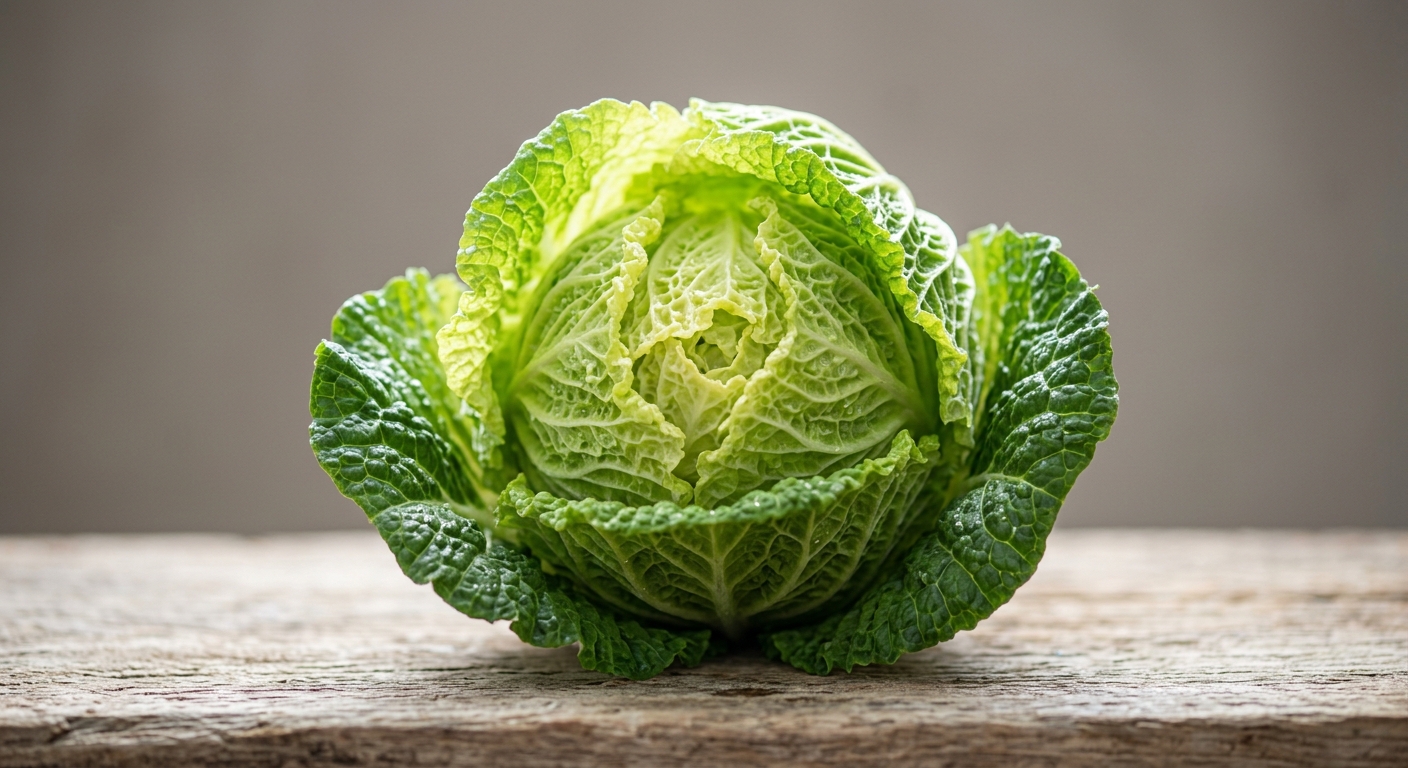
Bomdong is now one of the first vegetables to sell out at supermarkets and traditional markets when the season arrives. The saying "When bomdong appears, spring has come" has long circulated among homemakers, making bomdong a symbol of spring itself. What's most fascinating about the 2026 bomdong craze is the paradox: a familiar and beloved ingredient is being completely rediscovered as something new by the social media generation.
Bomdong Bibimbap — Spring in a Bowl
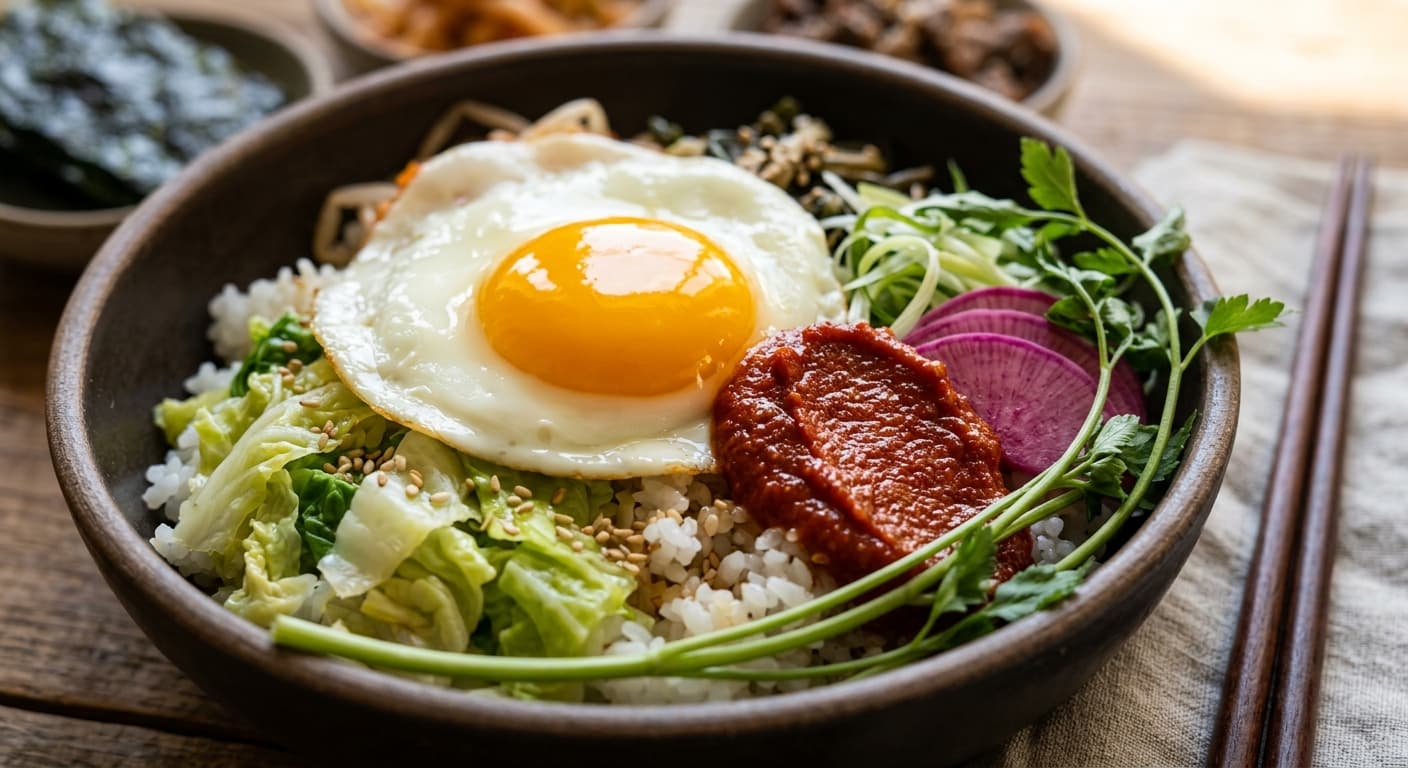
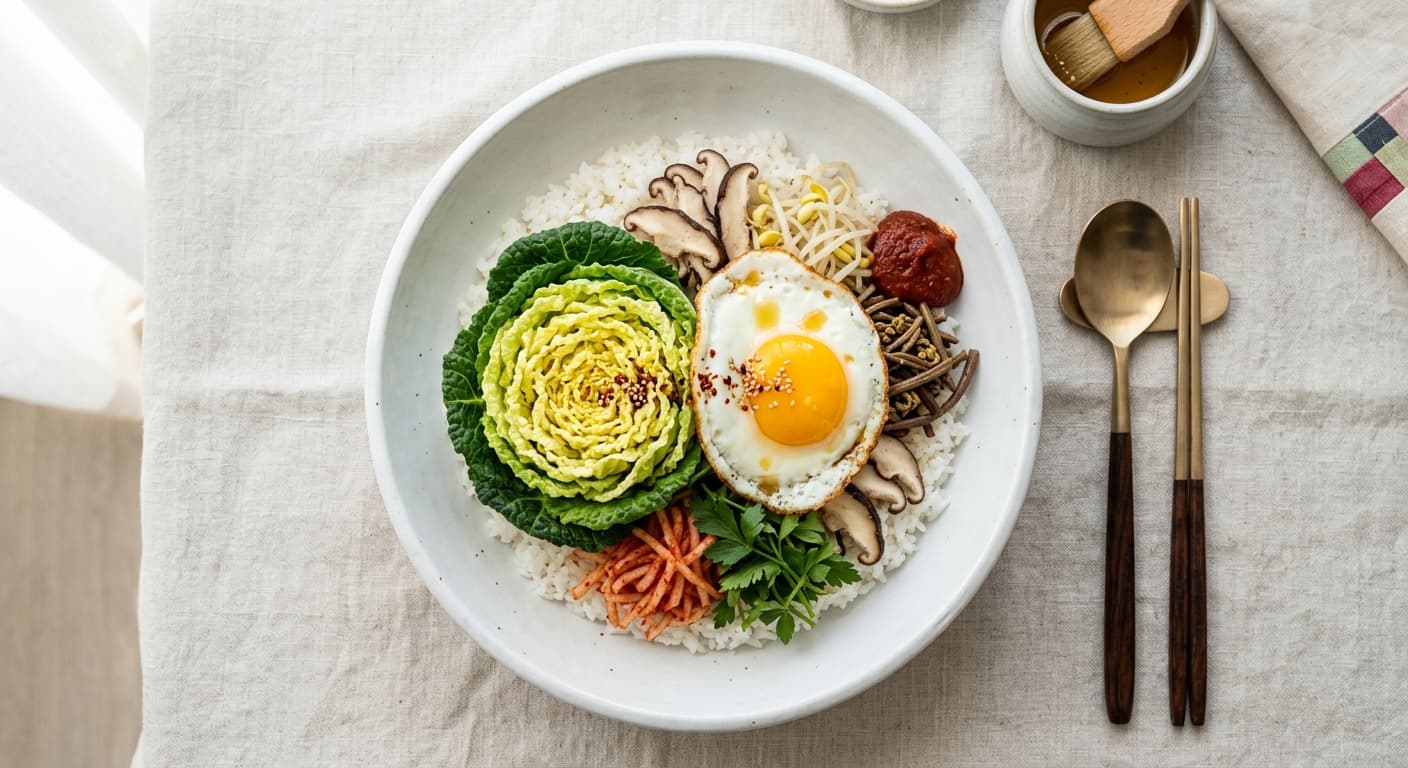
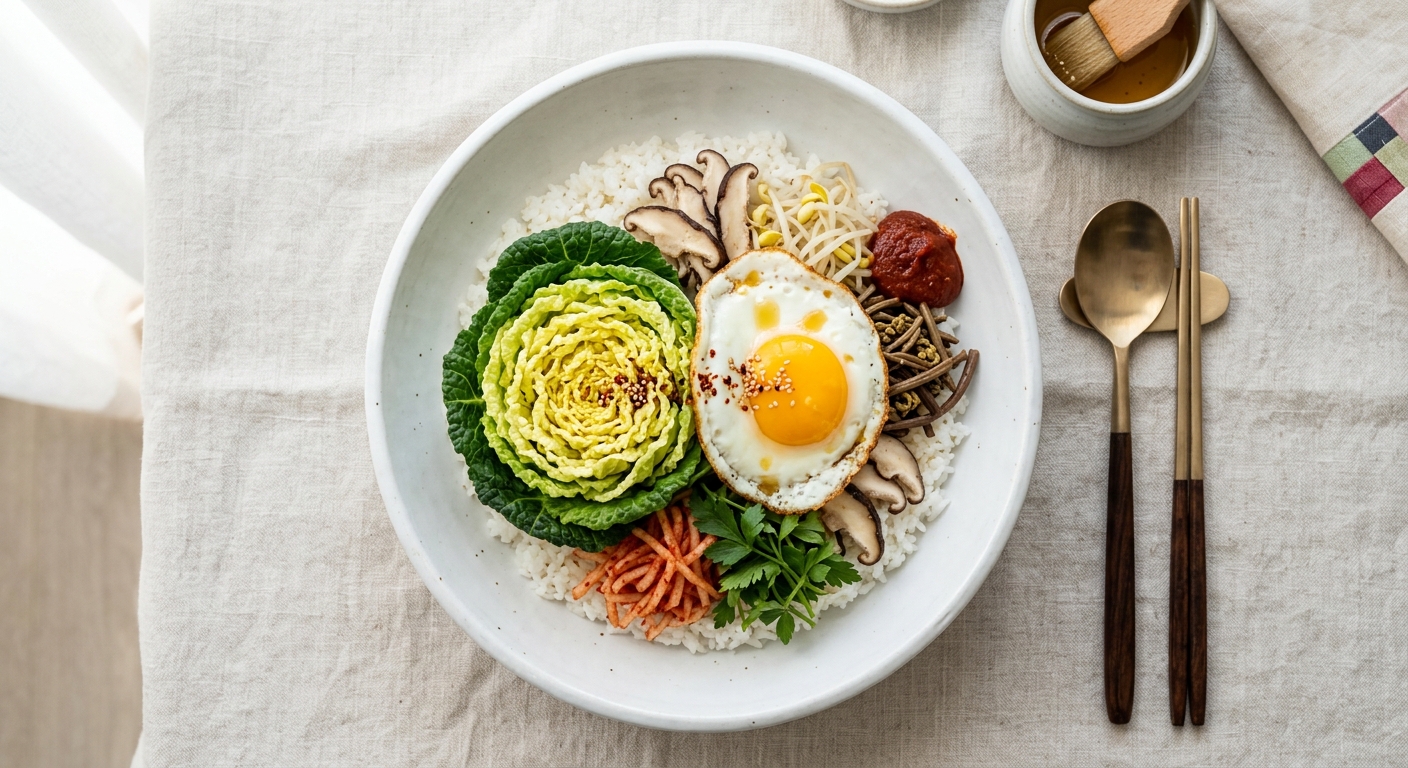
The bomdong bibimbap recipe stays true to the classic bibimbap framework while putting the natural freshness of its ingredients front and center. The guiding principle is minimal processing — letting bomdong's vibrant texture shine.
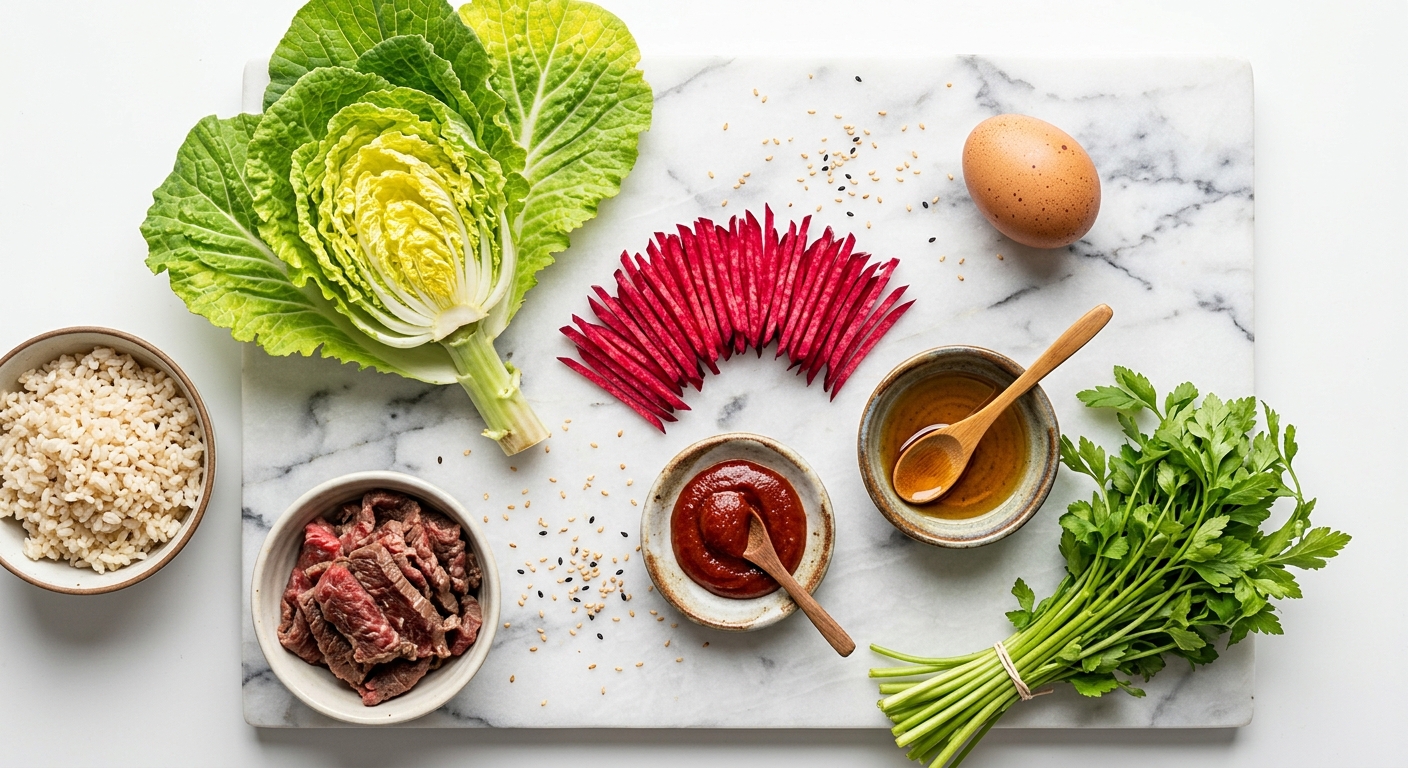
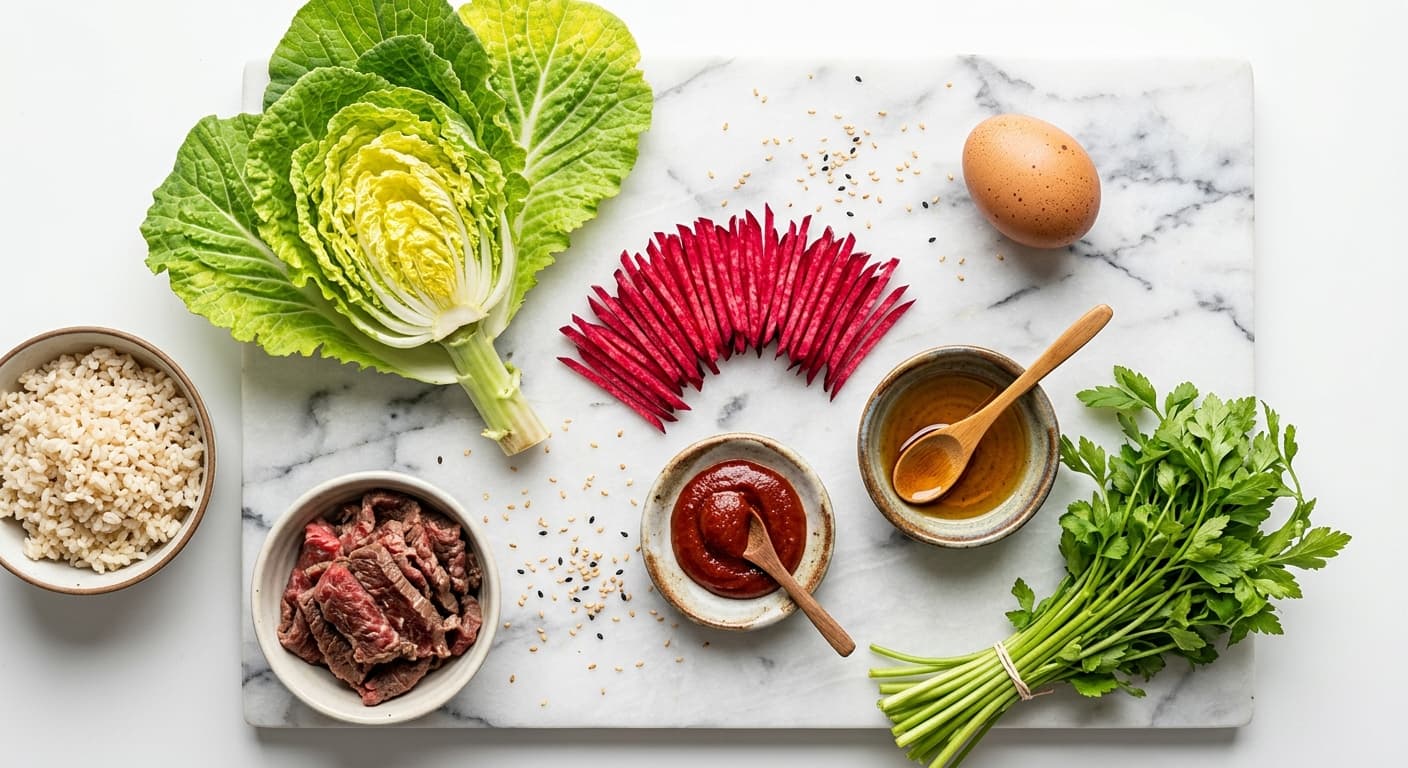
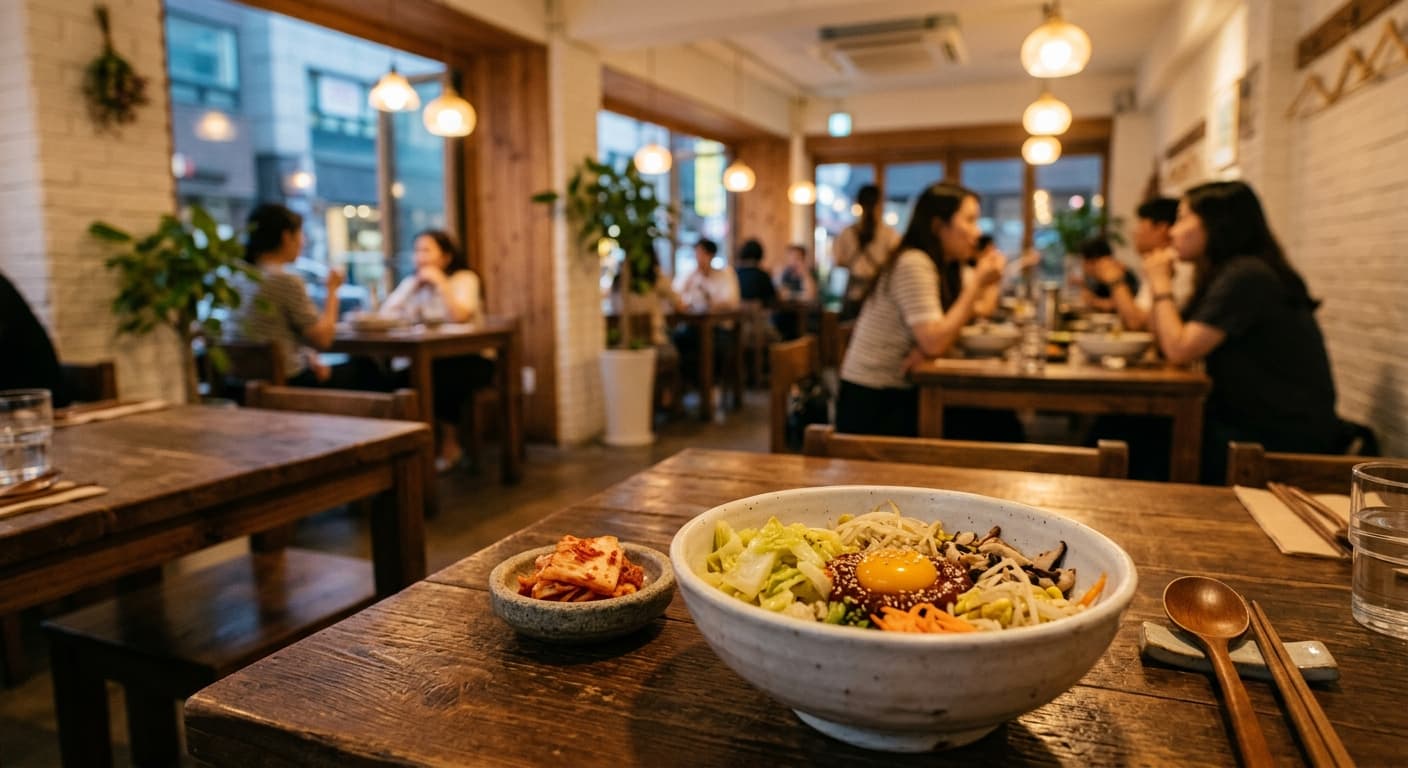
The components of a single bowl are as follows:
- Seasoned bomdong: Bomdong torn by hand or cut into chunky pieces, lightly tossed with sesame oil, salt, and sesame seeds. Keep the seasoning minimal — too much and the natural flavor of the bomdong gets buried.
- Fried egg: A soft-fried or over-easy egg placed in the center of the bowl. When the yolk breaks as you mix, it coats every ingredient in a rich, velvety finish.
- Gochujang: Traditional gochujang is the classic choice, though a pre-mixed bibimbap sauce of gochujang and sesame oil, or even ssamjang, is gaining popularity.
- Spring greens: Seasonal vegetables such as spinach, bracken fern, and aster greens add nutrition and color.
- Rice: Using a multigrain rice adds a nutty depth that pairs beautifully with bomdong's subtle bitterness.
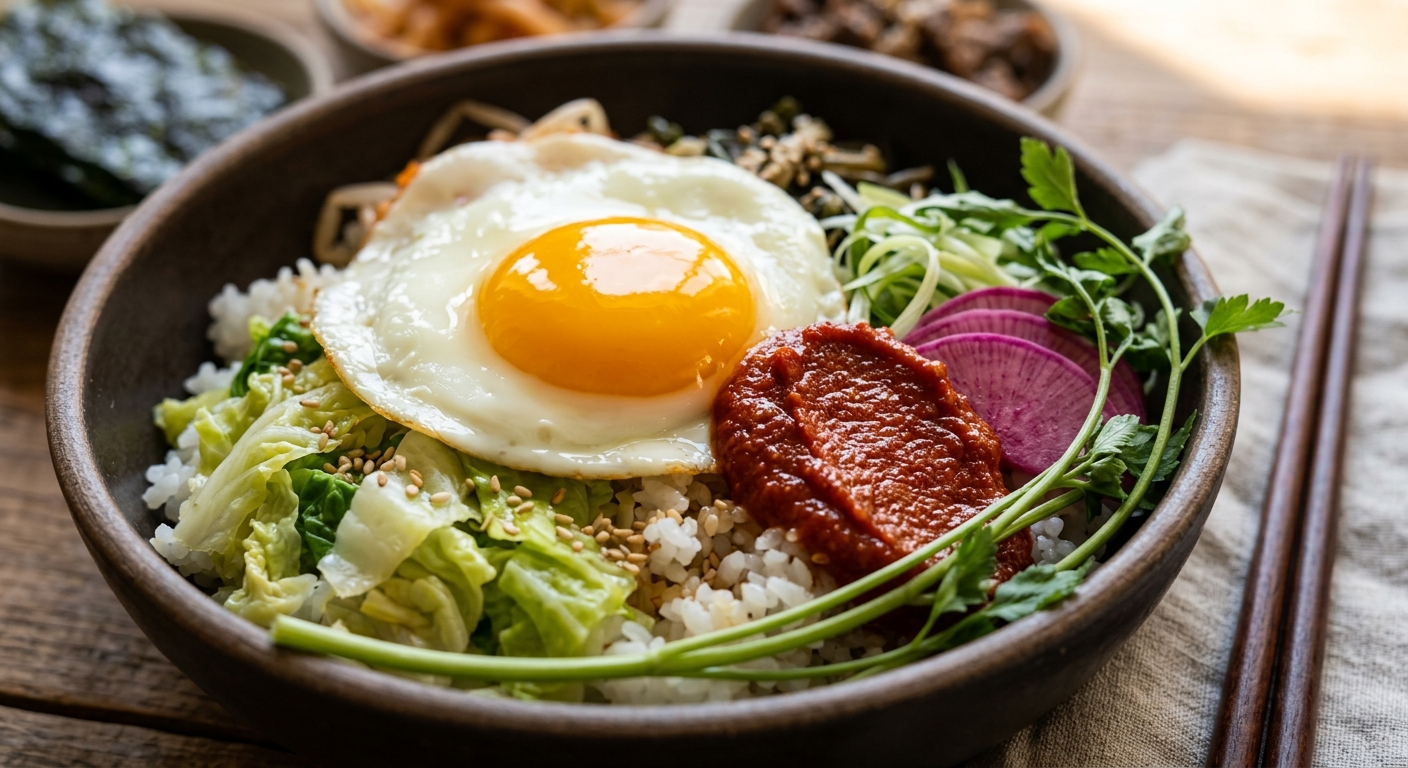
Why is this simple recipe drawing so much attention right now? Food trend analysts point to what they call a "counter-desire." Over the past few years, Korean food trends have been driven by bold, flashy desserts — Dubai chocolate, chewy cookies, tanghulu. Now the pendulum is swinging the other way: a return to humble, wholesome food rooted in the seasons. Bomdong bibimbap answers that longing precisely.
The Aesthetics of the Mix — How It Took Over Social Media
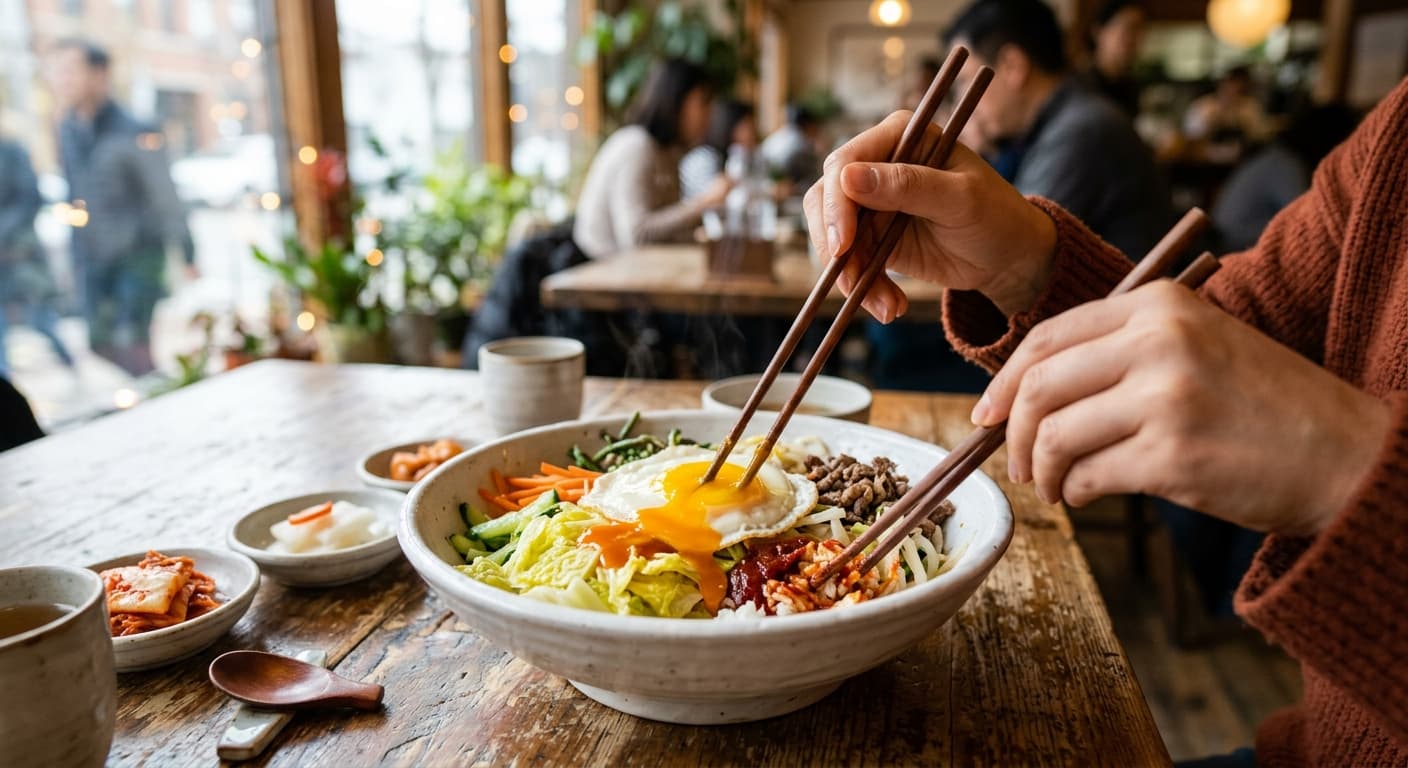
Visual appeal played a decisive role in bomdong bibimbap's social media explosion. Videos capturing the moment of mixing — the yolk bursting, the gochujang spreading, pale green bomdong folding into a wash of red — have racked up hundreds of thousands of views on Instagram Reels and YouTube Shorts.
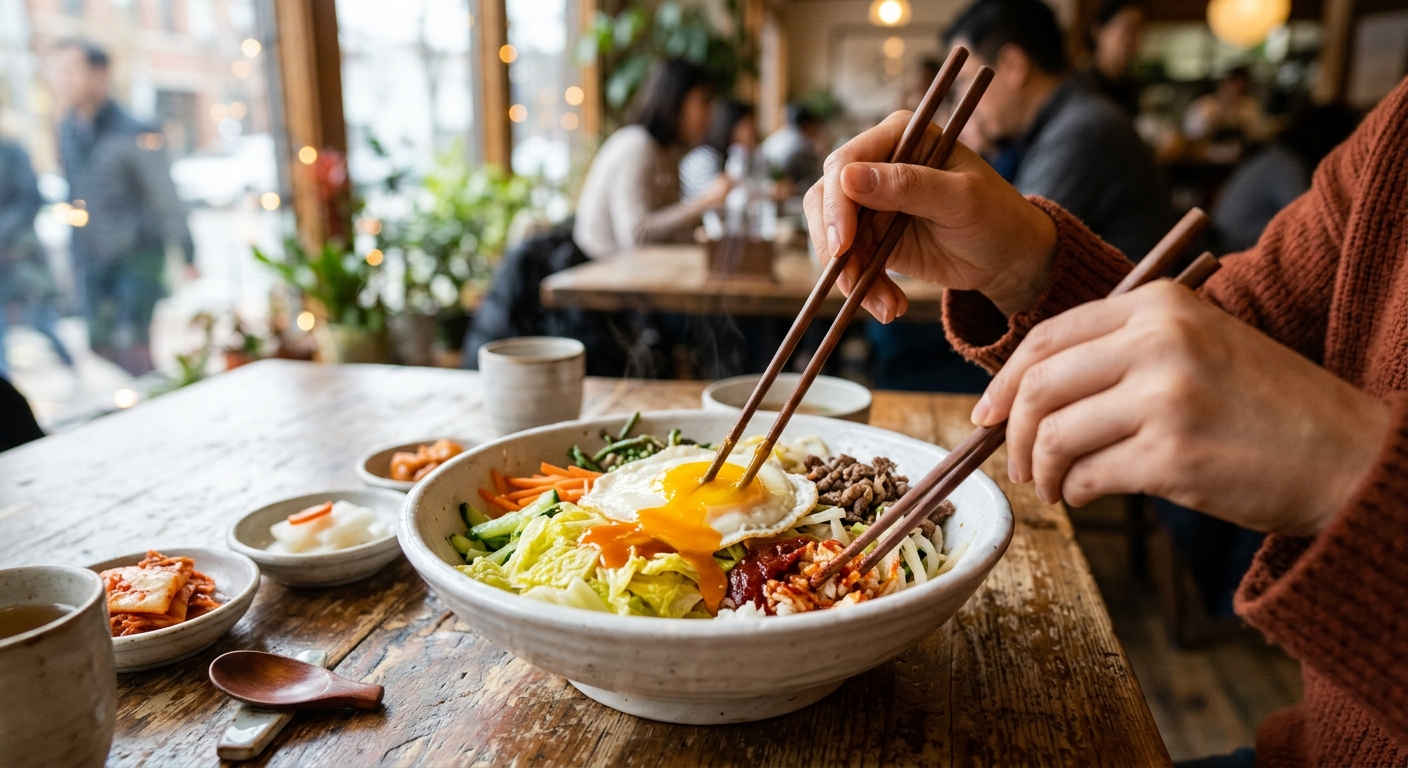
Korean food influencers are churning out content in every format, from "bomdong bibimbap ASMR" to "bomdong bibimbap challenges." Mukbang content vastly outperforms cooking tutorials, largely because bomdong's crisp, lively crunch is perfectly suited to ASMR. The dish also aligns flawlessly with MZ Generation's "healthy mukbang" trend, delivering a clean, refreshing image wrapped in an authentic yet aspirational format.
Food trend analysts are reading this not as a passing fad but as a "revival of seasonality" — part of a broader shift toward local and seasonal ingredient-driven food culture, in which bomdong bibimbap is consumed not merely as a meal, but as the experience of eating this particular season.
Bomdong Bibimbap in Seoul — The Restaurant Industry Responds
What began as a home-cooking trend quickly spread to the restaurant market. Korean restaurants across Seoul have begun offering bomdong bibimbap as a spring limited-time menu item, and some are already fully booked days in advance.
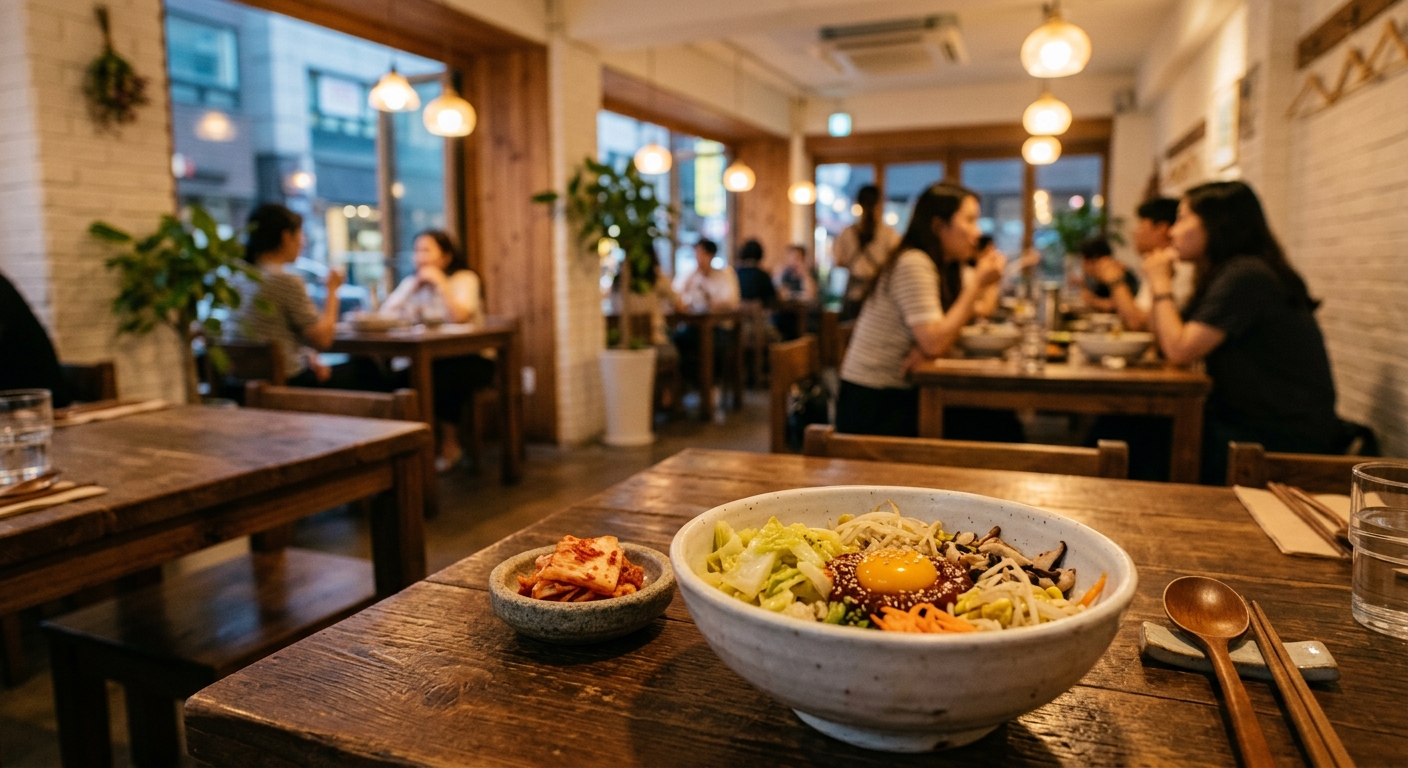
The fine dining scene is particularly noteworthy. Several Michelin-listed Korean restaurants are featuring creative reinterpretations of bibimbap using bomdong as part of their tasting menus. Imaginative variations are emerging, such as "bomdong seafood bibimbap" pairing crisp bomdong with seasonal clams and raw fish, and "perilla oil bomdong bibimbap" drenched in generous amounts of perilla oil for maximum nuttiness.
In trendy neighborhoods like Seongsu-dong and Mangwon-dong, casual Korean cafés are drawing new customers by featuring bomdong bibimbap on their brunch menus. The concept of bibimbap as a nutritionally balanced, single-bowl meal resonates strongly in step with the growing single-person household demographic.
A Culinary Journey to Haenam — In the Heartland of Bomdong
What makes the bomdong bibimbap phenomenon truly special is that the craze hasn't stayed in Seoul. A food travel boom is emerging around South Jeolla Province's Haenam — South Korea's largest bomdong-producing region. Located at the southernmost tip of the Korean Peninsula, Haenam's mild winter climate allows it to grow bomdong earlier and better than anywhere else.
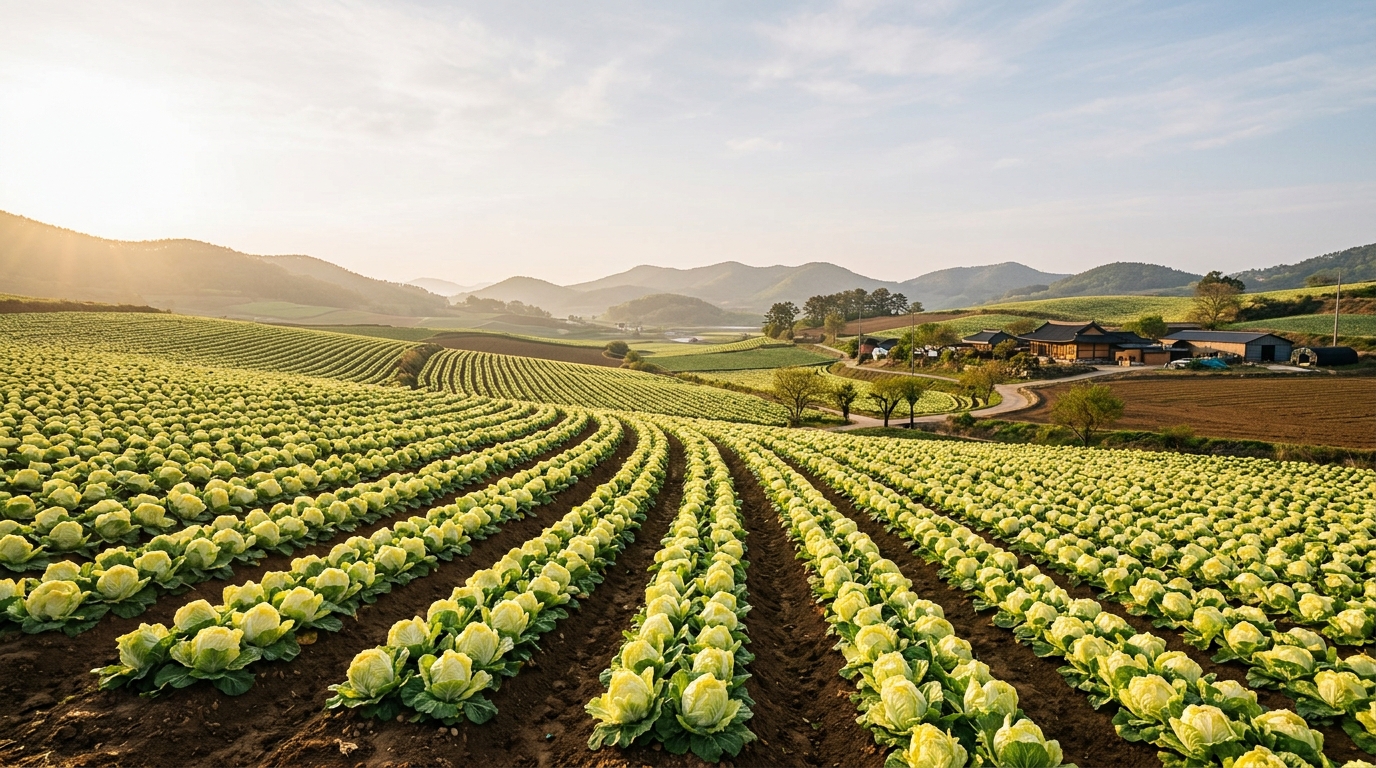
Haenam County has seized the opportunity. Timed to the bomdong harvest, the county hosts the "Haenam Spring Kimjang Festival" and operates "bomdong harvest experience programs" in partnership with local farms. Visitors can pull bomdong from the fields themselves and head to a nearby restaurant to make bibimbap from freshly picked leaves — a true farm-to-table experience.
Spring Kimjang — A Fading Tradition Becomes a Trend
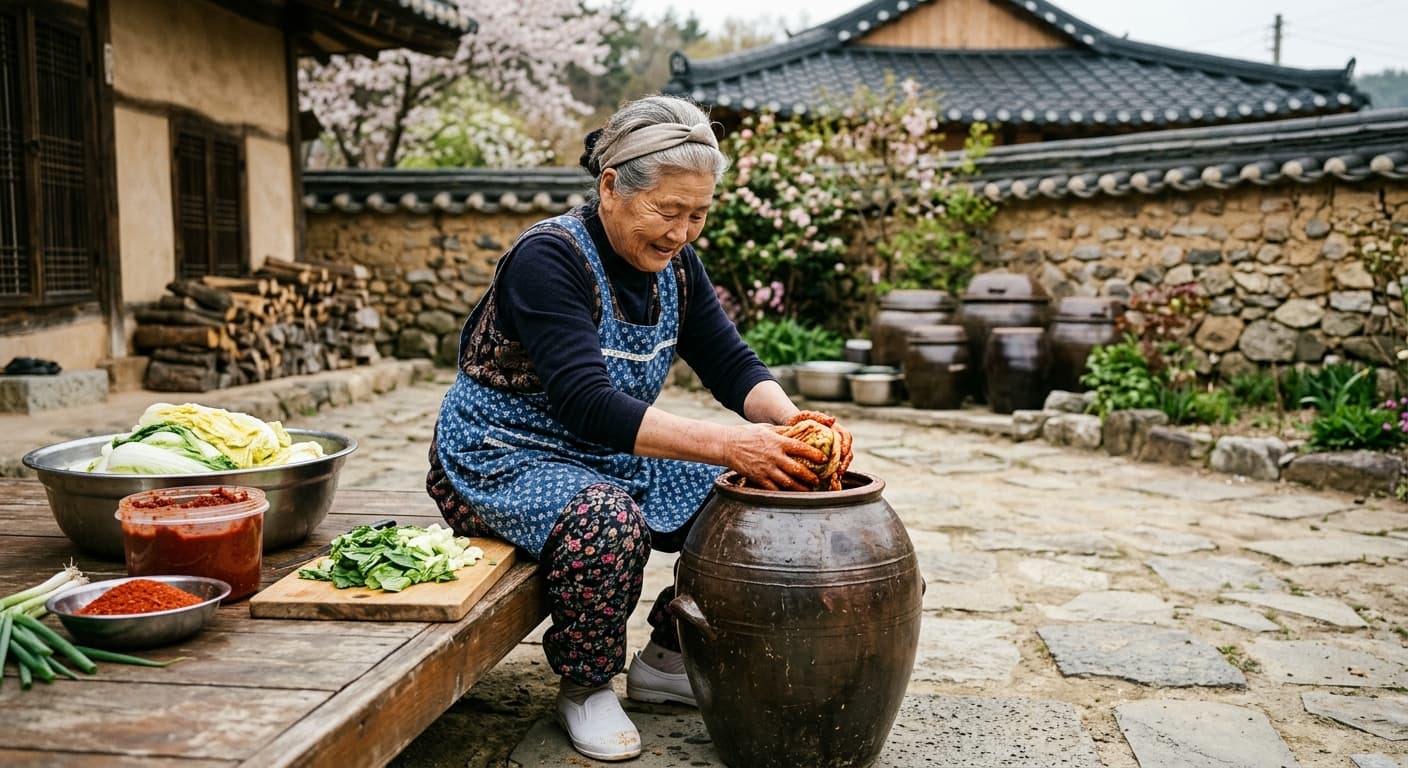
The highlight of a Haenam culinary trip is the spring kimjang experience. While kimjang is associated with late autumn in most parts of Korea, Haenam has an old tradition of making kimchi in spring using bomdong. Bomdong kimchi is different from regular kimchi. Rather than flavor that deepens with fermentation over time, its essence lies in the vibrancy of eating it fresh. Crisp, sweet, and radiant with immediate freshness rather than fermented depth — this is a kimchi made for right now.
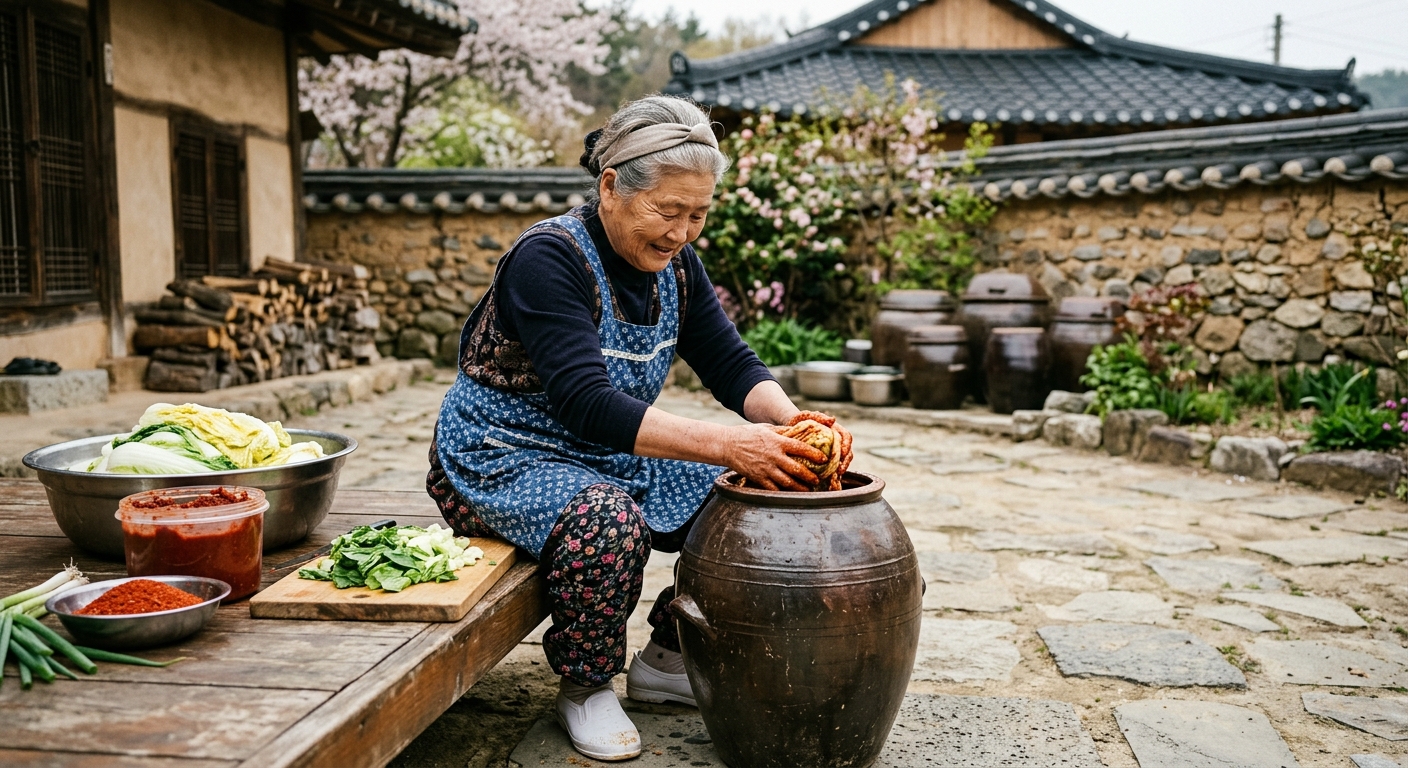
Participants in the spring kimjang program learn directly from local elders how to make bomdong kimchi. On the spot, they adjust the ratio of chili powder, fermented seafood paste, garlic, and ginger to create their own kimchi to take home. This is far more than a cooking class. It is a cultural journey — a physical experience of Korea's fermentation heritage and regional agriculture.
The appeal of spring kimjang is also reaching international visitors. As kimchi gains global recognition as a fermented food, the hands-on experience of making spring-limited bomdong kimchi is becoming a powerful draw for foreign travelers seeking a deeper understanding of Korean food culture.
How to Eat Spring in Haenam — A Traveler's Guide
What can you expect from a trip to Haenam during bomdong season? Here are the highlights where food, nature, and people converge.
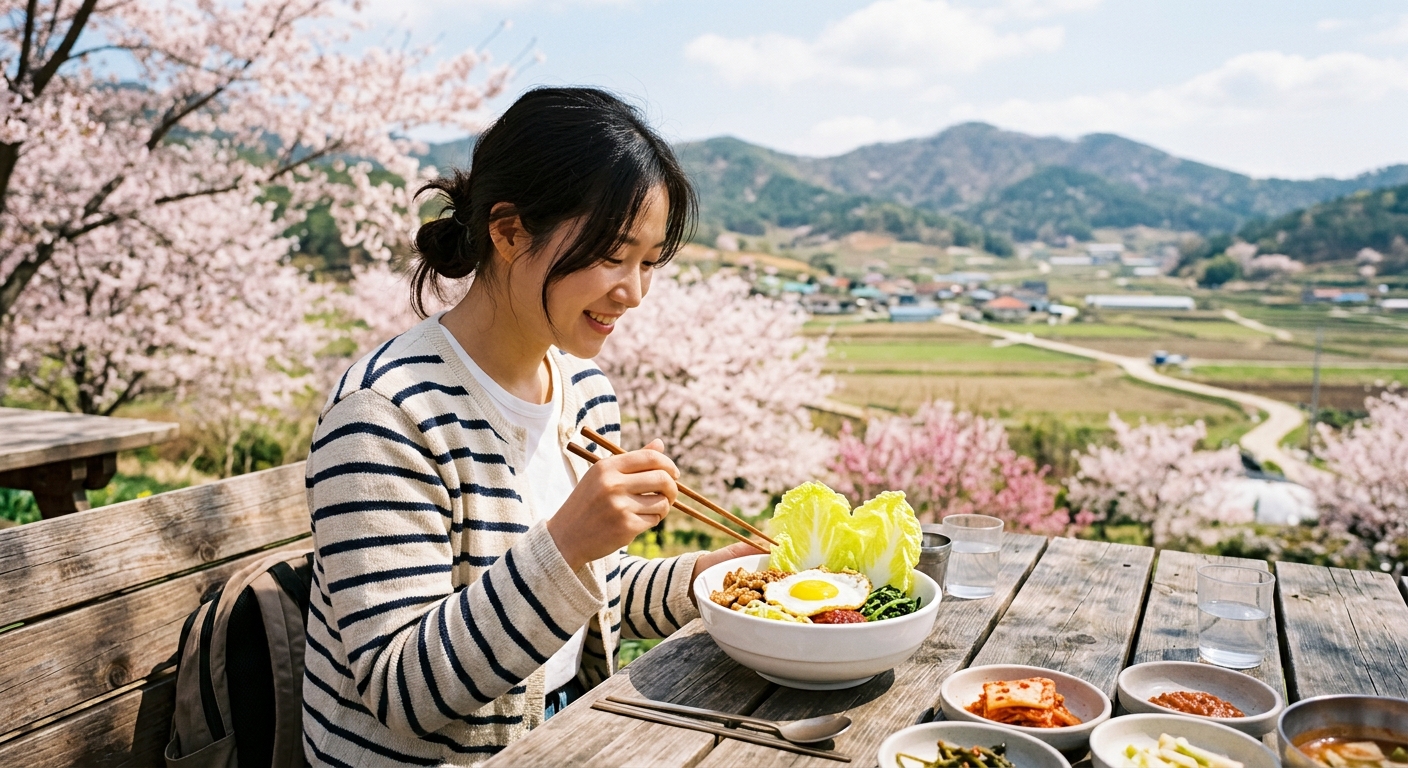
- Bomdong field tour: Join a farm tour at a participating farm and experience the harvest firsthand. Running your hands over the flat green leaves in a dew-covered morning field is a sensory reset that city life simply cannot offer.
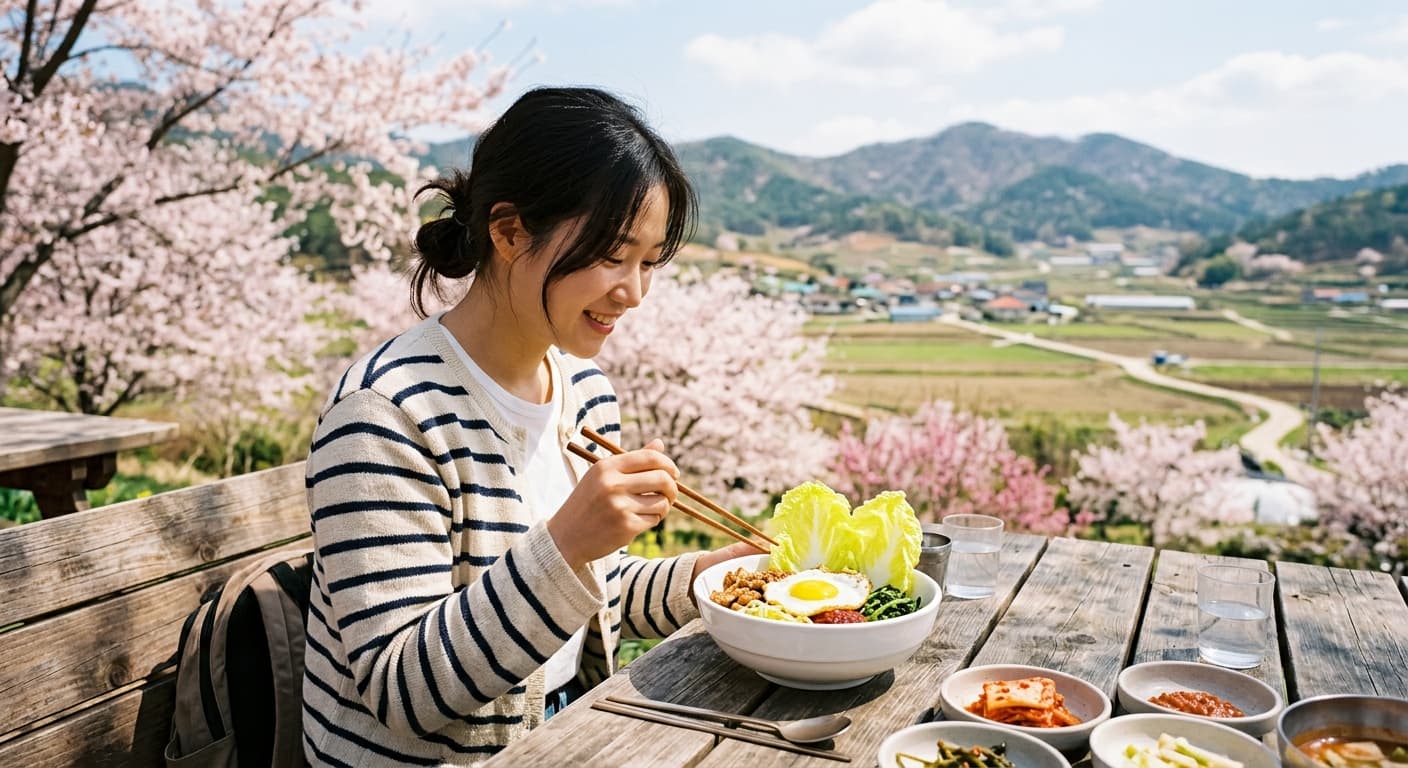
- Bomdong bibimbap at a local restaurant: Unlike the trend-driven Seoul versions, local Haenam restaurants serve bibimbap made from bomdong harvested that very day. The difference in freshness is unmistakable from the very first bite.
- Spring kimjang experience program: Available through the Haenam Agricultural Technology Center or partner farms. Advance reservation required; sessions typically last two to four hours.
- Spring hiking on Duryunsan: Complement your culinary journey with a spring mountain hike. The trails around Daeheungsa Temple offer the chance to see wild spring greens growing in their natural habitat — a perfect finale to a food-themed trip.
- Coastal drive to Ttangkkeut Village: A spring coastal drive to Ttangkkeut Village, the southernmost point of the Korean Peninsula, offers unforgettable memories with sea breezes as your companion. Don't miss stopping at a small roadside restaurant along the way for a traditional Korean set meal with a side of seasoned bomdong.
What Bomdong Bibimbap Is Saying — A Turning Point in Korean Food Culture
The bomdong bibimbap craze is more than a passing trend. It signals a meaningful shift in Korean food culture — a reflection of the desire to move away from imported ingredients, global fads, and sensory excess, and return to ingredients grown in Korean soil, in Korean seasons. This change reaches beyond food. It connects to the rise of "local culinary tourism," where regional farms and rural areas are being rediscovered as travel destinations, and to a broader reappraisal of traditional food culture centered on fermentation and seasonality.
The Korea Tourism Organization and local governments are paying attention. Movements to develop "seasonal culinary travel" packages centered on ingredients tied to specific places and specific moments in time — spring bomdong in Haenam, summer corn in Jeongseon, autumn apples in Cheongsong, winter oysters in Tongyeong — are accelerating. A travel culture in which season, place, and ingredient become one is taking shape.
For international visitors, bomdong bibimbap also serves as a friendly and compelling entry point into Korean food culture. The bibimbap the world has come to know has sometimes been consumed as a fixed, familiar image. But bibimbap enriched with the story of bomdong — its seasonality, its origin, its meaning — becomes something richer: not just a meal, but a way of experiencing an entire season and a culture with your whole body. The next chapter of K-food may well be written in this language of deep roots and seasonal stories.
Spring 2026 — The Window Is Open, Right Now
The season of bomdong is short. From mid-March to early April, the window is narrow — and it is open now. Have a bowl of bomdong bibimbap. And if you can, make your way down to Haenam. The crisp sound of freshly pulled bomdong, the earthy scent of spring kimjang being made, the morning breeze drifting through rows of flat green cabbage leaves — all of it is held within a single bowl, and within a single season.
Food is not merely nutrition. It is a way of remembering a season, a place, a moment. Bomdong bibimbap is delivering that timeless truth in the language of spring 2026.
References and Sources
- Korea Times — "Bomdong Bibimbap Overtakes Dubai Chewy Cookies as New Food Trend" (2026.03.03)
- Asia Economy (Asiae) — Coverage of the bomdong bibimbap trend (2026.03.03)
This article is AI-generated trend content based on the sources listed above. Please verify the latest information before visiting or making program reservations.